





Table of Contents
[Hide]
- Understanding Minimalist Color Schemes
- Why Choose a Minimalist Approach?
- Key Elements of Minimalist Color Schemes
- Popular Minimalist Color Combinations
- Incorporating Accent Colors
- Choosing the Right Paint Finishes
- Minimalist Color Schemes for Different Rooms
- Utilizing Natural Light
- Color Psychology in Minimalist Design
- Practical Tips for Implementing Minimalist Color Schemes
Understanding Minimalist Color Schemes
Minimalist color schemes focus on simplicity and clarity. They use a limited palette to create a serene atmosphere in urban homes. This design philosophy relies on neutral tones, soft hues, and occasional bold accents. The idea is to reduce visual clutter and allow the space to breathe. A well-chosen color scheme can enhance the overall aesthetic of your home, making it feel more spacious and inviting.
Key Takeaways & Quick Overview
- Understanding Minimalist Color Schemes: Explore practical strategies and verified recommendations in the section below.
- Why Choose a Minimalist Approach?: Explore practical strategies and verified recommendations in the section below.
- Key Elements of Minimalist Color Schemes: Explore practical strategies and verified recommendations in the section below.
Choosing the right colors can influence mood and perception. For example, light colors can make small spaces feel larger, while darker shades add depth and warmth. Minimalist color schemes often emphasize functionality. Therefore, each color should serve a purpose in enhancing the space’s overall feel. Urban homes, typically characterized by their compact layouts, can significantly benefit from carefully selected color schemes.
Why Choose a Minimalist Approach?
The minimalist approach to color schemes offers several benefits for urban dwellers. First, it helps create a calm environment. In busy city life, a tranquil home can serve as a refuge. Minimalist colors promote relaxation and peace, making them ideal for spaces where you unwind. Furthermore, these schemes are versatile and can adapt to various styles.
Another advantage is the ease of maintenance. Fewer colors mean fewer paint options to manage. This simplicity extends to decor choices as well. Minimalist color schemes allow for easy updates. You can change accessories or artwork without repainting, keeping your home fresh and modern. Additionally, this approach encourages creativity in furniture and decor selection, as the focus remains on quality over quantity.
Key Elements of Minimalist Color Schemes
There are essential elements to consider when choosing a minimalist color scheme for your urban home. First, stick to a limited color palette. A combination of three to five colors works best. This creates harmony and helps maintain a cohesive look throughout your space. Secondly, consider the balance between warm and cool tones. This balance can create a pleasant atmosphere and invite warmth.
Texture is also important in minimalist design. Incorporating different materials can add depth without overwhelming the senses. For example, a soft wool throw on a smooth leather sofa can provide contrast while staying true to the minimalist aesthetic. Lastly, think about the natural light in your space. Colors can look different under varying light conditions, so test shades in your home before committing.
Popular Minimalist Color Combinations
Several color combinations have become popular in minimalist design. One classic choice is white, gray, and black. This combination offers a timeless and sophisticated look. It works well in urban settings, where space can be tight. Adding a pop of color, such as a bright red or deep blue, can create a focal point without overwhelming the overall scheme.
Another trendy combination is soft beige, muted green, and pale blue. These colors evoke a sense of nature and tranquility. They work particularly well in spaces with plenty of natural light, bringing a fresh, airy feel. Additionally, earth tones like terracotta, soft browns, and cream can create a warm, inviting atmosphere, perfect for cozy urban living.
Incorporating Accent Colors
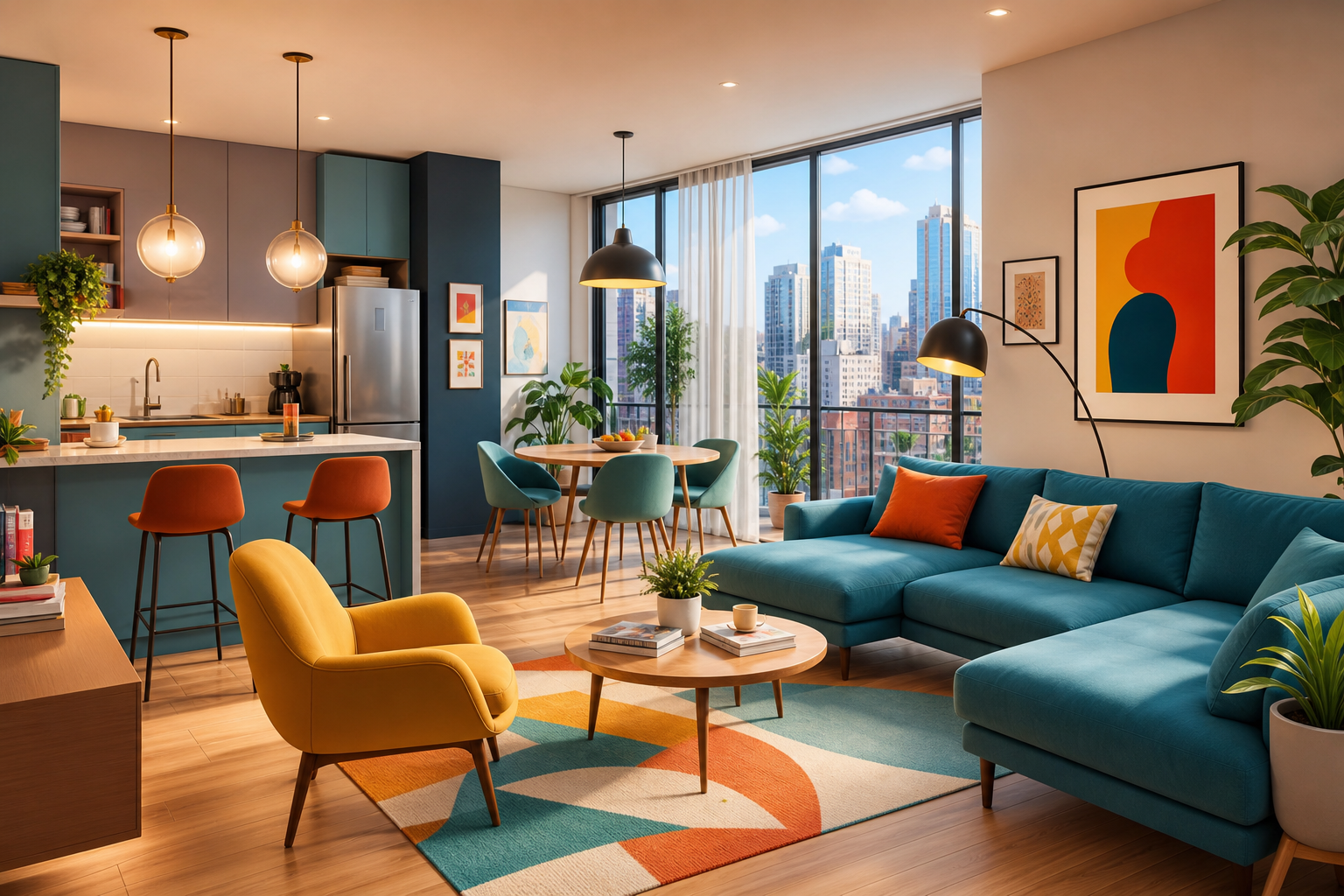
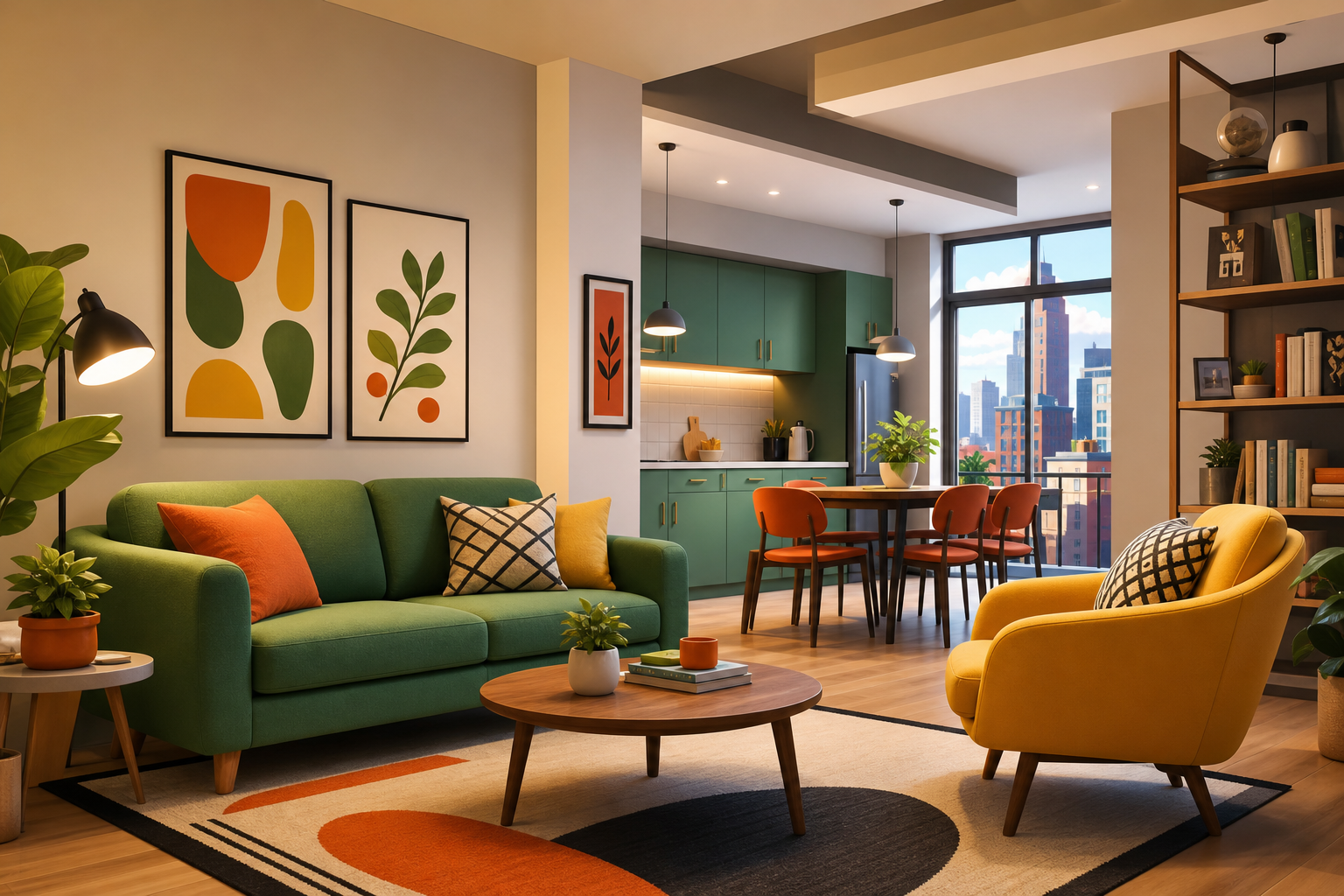
While minimalist color schemes focus on simplicity, incorporating accent colors can enhance the design. Accent colors can be used sparingly to create focal points and add personality. For example, a bright yellow chair against a neutral background can draw the eye and create interest. It is essential to choose accent colors that complement the main palette.
When selecting an accent color, consider the overall mood you want to create. Warm colors like red and orange can energize a space, while cool colors like blue and green promote calmness. Use accents in accessories such as cushions, artwork, or vases to tie the room together. This approach allows you to maintain the minimalist aesthetic while personalizing your space.
Choosing the Right Paint Finishes
The finish of your paint can significantly impact the overall look of your minimalist color scheme. Matte finishes provide a soft, understated appearance, perfect for walls. They can help create a soothing environment, especially in bedrooms or living rooms. However, matte finishes can be harder to clean, so consider using them in low-traffic areas.
Satin or eggshell finishes offer a slight sheen that reflects light without being too glossy. These finishes work well in kitchens or bathrooms, where durability and ease of cleaning are essential. They also add a touch of elegance to the overall look. For accents, you can use semi-gloss or high-gloss finishes to draw attention to specific features, such as trim or furniture pieces.
Minimalist Color Schemes for Different Rooms
Each room in your urban home can benefit from a tailored minimalist color scheme. In the living room, consider using soft grays and whites to create a spacious feel. Introduce warmth with wooden furniture and a few colorful accessories. For bedrooms, opt for calming blues or gentle greens to promote relaxation. Layer textures through bedding and rugs to enhance comfort.
In kitchens, white or light cream can make the space feel clean and modern. Accents of soft pastels or vibrant colors in appliances or decor can add character without overwhelming the space. For bathrooms, muted tones like sandy beige or cool gray can create a spa-like atmosphere. Use bright towels or plants as accent pieces to bring in a pop of color.
Utilizing Natural Light
Natural light plays a vital role in how colors appear in your home. Urban homes often have limited natural light, making color selection even more critical. Light colors can help reflect available light, enhancing the overall brightness of the space. Darker shades may absorb light, making a room feel smaller or more closed in.
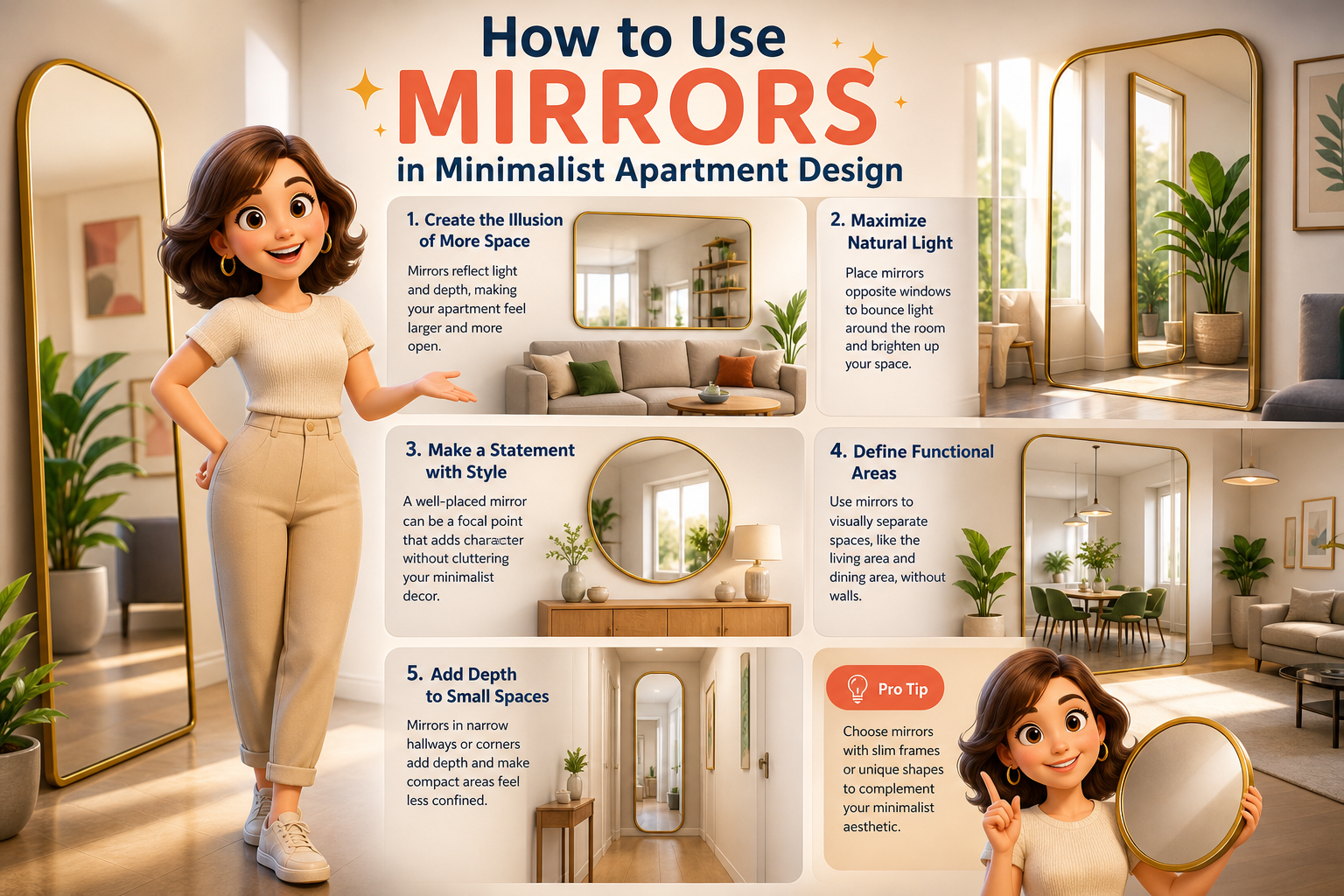
To maximize natural light, consider using sheer curtains or blinds that allow sunlight to filter through. This strategy not only brightens the room but also enhances the colors used. Additionally, strategically placing mirrors can help bounce light around the space, further illuminating your minimalist design. Always consider how color choices will interact with light throughout the day.
Color Psychology in Minimalist Design
Understanding color psychology can enhance your minimalist color scheme. Different colors evoke different emotions and responses. For example, blue is often associated with calmness and tranquility, making it ideal for bedrooms or relaxation spaces. Green symbolizes nature and can create a refreshing atmosphere in living areas.
Warmer colors like red and orange can energize a space, making them suitable for areas where activity occurs, such as kitchens or home offices. However, using these colors should be balanced to avoid overwhelming the space. Think about how you want to feel in each room and choose colors that align with that vision. This thoughtful approach can lead to a more harmonious living experience.
Practical Tips for Implementing Minimalist Color Schemes
Implementing a minimalist color scheme requires careful planning and consideration. Start by creating a mood board to visualize your ideas. Include paint samples, fabric swatches, and images that inspire you. This board will help you see how colors interact and ensure a cohesive look. Additionally, test colors in different lighting conditions before making a final decision.
Begin with the largest surfaces, like walls and floors, and choose the base color first. Once you have a foundation, add layers with furniture, textiles, and accessories. Keep the overall design simple and avoid clutter. Remember, less is more in minimalist design. Finally, be open to evolving your color scheme over time. As trends and personal tastes change, so can your space.