

Table of Contents
[Hide]
- Understanding Minimalism in Small Spaces
- Choosing a Minimal Color Palette
- Utilizing Multi-Functional Furniture
- Maximizing Vertical Space
- Incorporating Natural Light
- Decluttering for a Minimalist Space
- Creating a Focal Point
- Choosing Minimalist Decor
- Incorporating Plants for Freshness
- Establishing Zones in Open Spaces
- Maintaining a Minimalist Lifestyle
Understanding Minimalism in Small Spaces
Minimalism is more than just a design style. It is a lifestyle that values simplicity and functionality. In small spaces, adopting minimalist ideas can make a significant difference. By reducing clutter and focusing on essential items, you create a serene environment. This approach helps you feel less overwhelmed and more at peace in your home. Minimalism emphasizes quality over quantity. Instead of filling your space with numerous items, select a few meaningful pieces that reflect your style.
Key Takeaways & Quick Overview
- Understanding Minimalism in Small Spaces: Explore practical strategies and verified recommendations in the section below.
- Choosing a Minimal Color Palette: Explore practical strategies and verified recommendations in the section below.
- Utilizing Multi-Functional Furniture: Explore practical strategies and verified recommendations in the section below.
In 2026, minimalism is gaining popularity as more people seek to simplify their lives. With the rise of remote work, many are turning their homes into functional spaces. Thus, using minimalist ideas can help you maximize your space without sacrificing comfort or style. By curating your belongings, you can create a beautiful and functional oasis, even in the smallest of areas.
Choosing a Minimal Color Palette
Colors can significantly impact how a space feels. For small spaces, a minimalist color palette is essential. Choose light, neutral colors like white, beige, or light gray. These colors can make your space feel larger and more open. You can add soft pastel shades for warmth and personality. But, keep the overall scheme simple to maintain a minimalist vibe.
Consider using a monochromatic scheme. This means using different shades of the same color. For instance, if you choose blue, use navy, sky blue, and powder blue. This approach adds depth without overwhelming the space. You can also use bold colors sparingly. A single accent wall or a few colorful accessories can add interest without cluttering the area.
Utilizing Multi-Functional Furniture
In small spaces, every piece of furniture counts. Multi-functional furniture is a game-changer for minimalist design. Look for items that serve more than one purpose. For example, a sofa bed can provide seating during the day and transform into a bed at night. This feature is perfect for hosting guests without taking up extra space.
Another great option is a coffee table with storage. You can find tables that open up to reveal hidden compartments. This allows you to store books, blankets, or games out of sight. When selecting furniture, prioritize quality. Well-made pieces last longer and look better, enhancing your minimalist aesthetic.
Maximizing Vertical Space
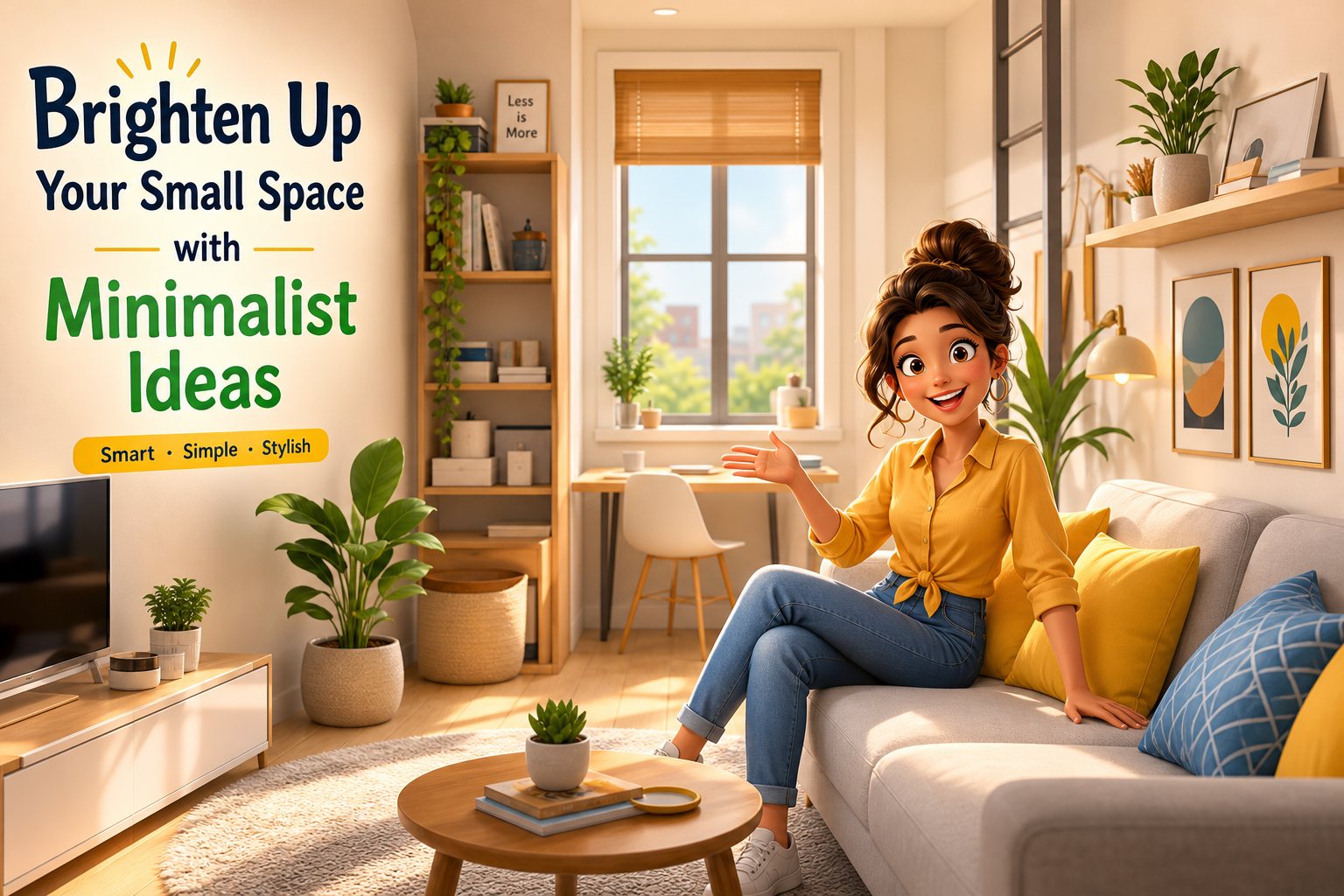
In small homes, floor space is often limited. Therefore, maximizing vertical space is a smart strategy. Use wall-mounted shelves to display books, plants, or decorative items. This keeps the floor clear and draws the eye upward, creating the illusion of height. Floating shelves are a popular choice in minimalist design because they look sleek and do not take up visual space.
For even more storage, consider tall bookshelves or cabinets. These pieces can utilize the full height of the room, providing ample storage without consuming too much floor space. You can decorate these shelves with a few carefully chosen items to maintain a clean look. Remember, less is more in minimalism. Keep surfaces clear to emphasize the beauty of your space.
Incorporating Natural Light
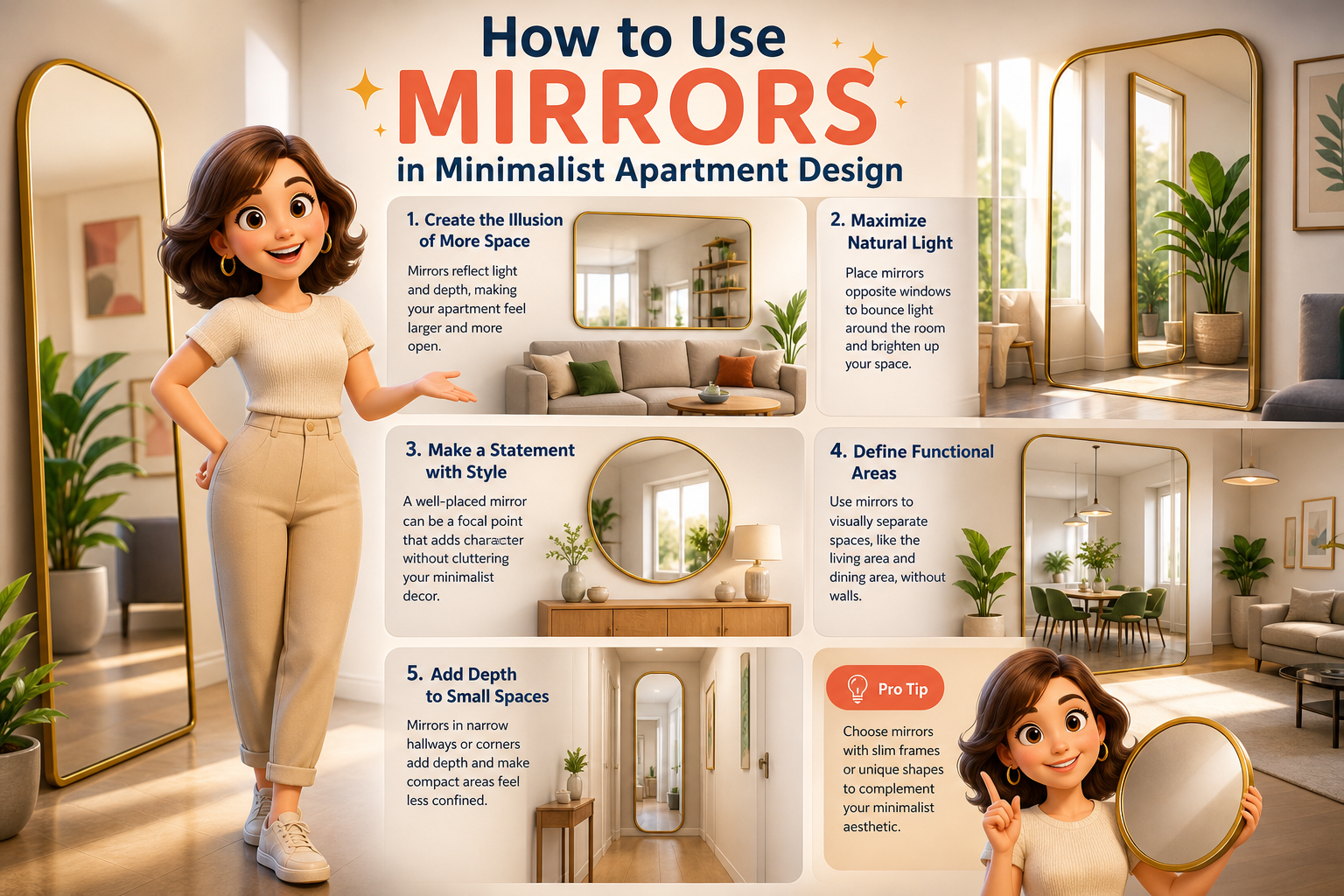
Light is a vital element in any space, especially small ones. Natural light can make a room feel more open and inviting. To maximize light, use sheer curtains or blinds that allow sunlight to filter through. This softens the light without blocking it entirely. And, consider mirrors to reflect light around the room. A well-placed mirror can create the illusion of more space and enhance brightness.
Choose light-colored furnishings and decor, as they can help bounce light around. Avoid heavy, dark furniture that absorbs light and makes the space feel smaller. When designing your space, remember that a bright and airy atmosphere contributes greatly to a minimalist design. The more light you let in, the more alive your space will feel.
Decluttering for a Minimalist Space
Decluttering is essential for achieving a minimalist look. Start by assessing each room. Go through your belongings and ask yourself if each item is necessary or brings you joy. If it does not, consider donating or selling it. This process can be liberating. You will find that you have more space and a clearer mind.
Once you have decluttered, establish a system for keeping things organized. Use baskets or boxes to store items neatly. Labeling containers can help you remember where everything belongs. Make it a habit to reassess your belongings regularly. This will help you maintain a minimalist lifestyle in the long run.
Creating a Focal Point
A focal point can enhance the design of a small space. It draws the eye and adds interest. In minimalist design, choose one standout feature, like a piece of art or a unique piece of furniture. This can be a striking painting, a bold light fixture, or an elegant chair. Because the rest of the space is minimal, this focal point will shine even brighter.
When selecting your focal point, consider what resonates with you. Choose something that reflects your personality and style. Placing this piece strategically can create balance and harmony within the room. A well-placed focal point can also help guide the layout of the space, making it feel cohesive.
Choosing Minimalist Decor
Decor plays an important role in defining your small space. In a minimalist design, less is definitely more. Choose decor items that are functional and beautiful. Instead of filling every surface with knick-knacks, opt for a few carefully selected pieces that make a statement. For example, a single vase with fresh flowers can add color and life without overwhelming the space.
When selecting decor, consider textures as well. Soft textiles like cushions and throws can add warmth. Natural materials like wood and stone can also contribute to a calming atmosphere. But, always keep decor simple. Avoid intricate patterns and overly ornate designs. This helps maintain the minimalist aesthetic you desire.
Incorporating Plants for Freshness
Plants can bring life and freshness to your space. In 2026, indoor plants are more popular than ever. They not only purify the air but also add a touch of nature indoors. When choosing plants, consider low-maintenance options like succulents or snake plants. These are perfect for small spaces because they do not require much attention.
Use stylish pots to complement your decor. You can place plants on shelves, hang them from the ceiling, or use window sills. A vertical garden is another excellent idea for small spaces. This allows you to showcase multiple plants without taking up floor space. Incorporating greenery can enhance the minimalist feel of your home by adding a natural element.
Establishing Zones in Open Spaces
In open-concept living spaces, establishing zones can help create a structured environment. Use furniture placement to define different areas for various activities. For example, a sofa can separate the living area from the dining space. Rugs can also help establish these zones. A simple, neutral rug can tie the look together without overpowering the space.
When designing these zones, keep pathways clear. This promotes easy movement and maintains a minimalist feel. Avoid overcrowding any area. Instead, focus on creating cozy, functional spaces that serve a purpose. By clearly defining zones, you create a more organized and pleasing environment in your small home.
Maintaining a Minimalist Lifestyle
Living minimally is an ongoing commitment. It requires constant awareness and effort. To maintain your minimalist space, regularly evaluate your belongings. Keep only those items that serve a purpose or bring joy. This means adjusting your habits and being intentional about what you bring into your home.
Set rules for purchasing new items. For instance, adhere to the one-in-one-out rule. If you buy a new piece of decor, consider letting go of an old one. This helps prevent clutter from accumulating. Embrace the idea that a minimalist lifestyle promotes peace and clarity. It allows you to enjoy your space fully without the distractions of excess.
Brightening up your small space with minimalist ideas is achievable and rewarding. By focusing on simplicity, functionality, and intentional design, you can create an environment that feels open and inviting. Remember to choose a minimalist color palette, utilize multi-functional furniture, and maximize vertical space. Incorporate natural light and declutter regularly to maintain a serene atmosphere.
As you explore decor, aim to create a focal point while keeping items minimal. Adding plants enhances freshness and life in your home. Establishing zones in open spaces helps create a feeling of organization. Finally, maintaining a minimalist lifestyle involves ongoing commitment and awareness. Embrace these ideas to transform your small space into a bright and beautiful home.