



Table of Contents
[Hide]
Understanding Minimalist Design
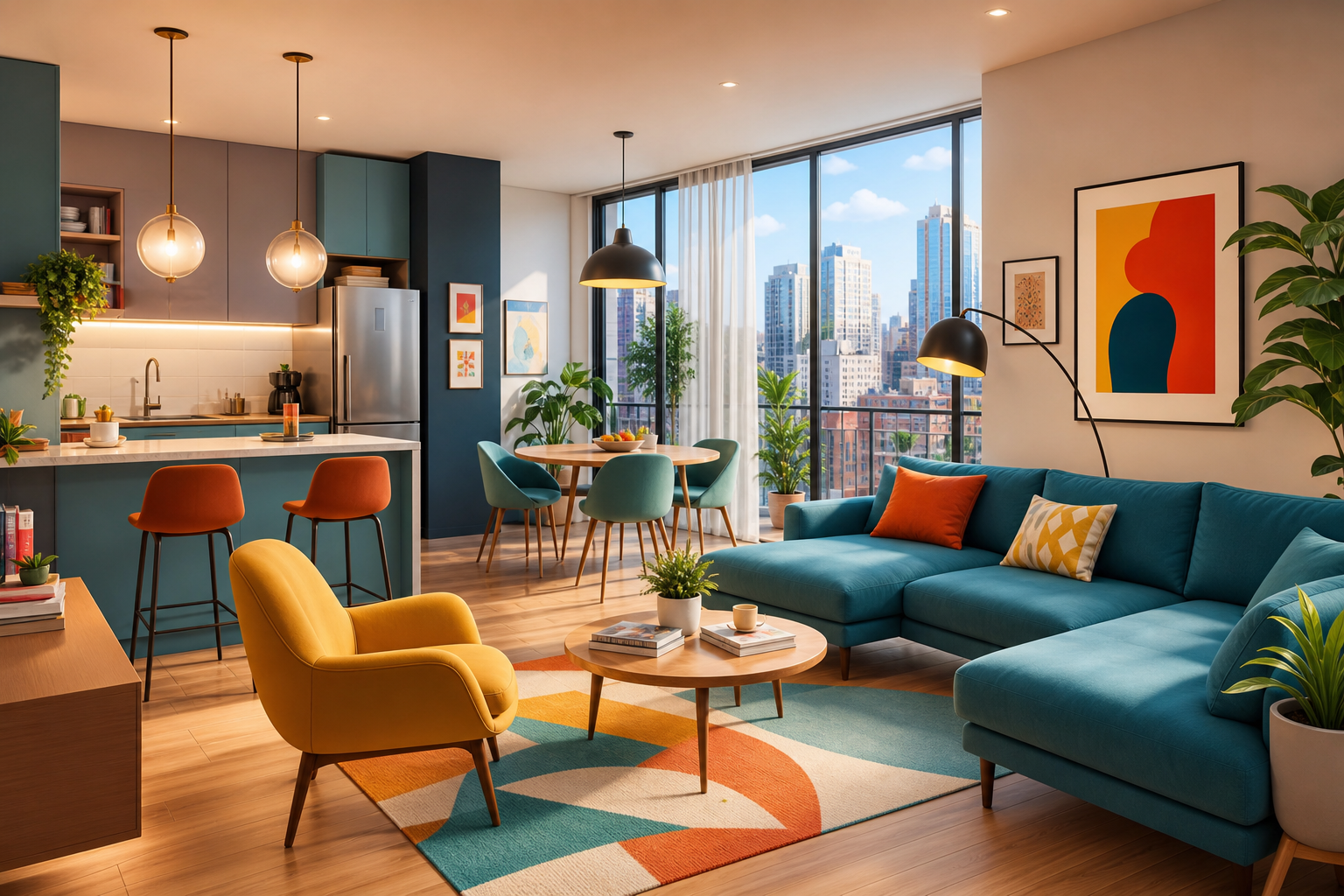
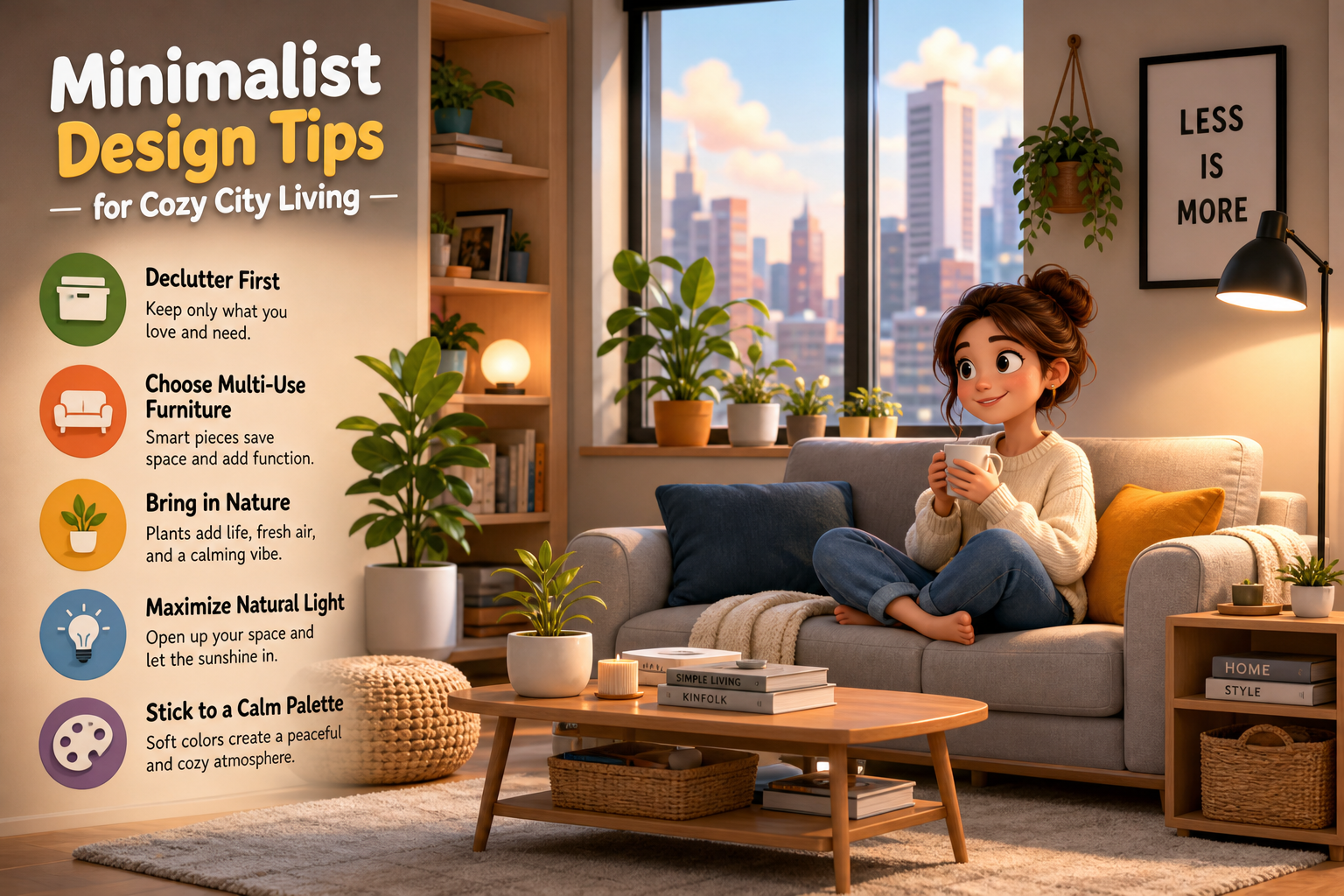
Minimalist design focuses on simplicity, functionality, and elegance. It strips away excess and emphasizes what truly matters. This design style creates a calm atmosphere, perfect for city living, where space can be limited. In urban environments, clutter can build up quickly. Therefore, adopting minimalist design principles can help create a peaceful sanctuary amidst the hustle and bustle of city life. This approach encourages thoughtful choices about furniture, decor, and layout, leading to a more organized and enjoyable living space.
Key Takeaways & Quick Overview
- Understanding Minimalist Design: Explore practical strategies and verified recommendations in the section below.
- Choosing a Color Palette: Explore practical strategies and verified recommendations in the section below.
- Decluttering Your Space: Explore practical strategies and verified recommendations in the section below.
Emphasizing clear lines, neutral colors, and open spaces, minimalist design invites a sense of serenity. Each piece in a minimalist home serves a purpose while contributing to the overall aesthetic. This makes it essential to choose items that reflect your personality while maintaining functionality. In 2026, minimalist design continues to evolve, incorporating modern technology and sustainable practices, making it even more relevant for contemporary living.
Choosing a Color Palette
Color plays a vital role in minimalist design. A well-thought-out palette can enhance the feeling of spaciousness and calm in your home. Neutral tones like whites, grays, and soft beiges are popular choices. These colors make rooms feel airy and bright. However, adding a few accent colors can create visual interest. Consider using muted blues or greens to bring a touch of nature indoors.
When selecting colors, think about how they interact with natural light. In city apartments, sunlight can vary from room to room. Test paint samples on walls and observe how they change throughout the day. You can also use color to define different areas within an open space. For instance, a subtle shade can distinguish a cozy reading nook from the living area, allowing you to maintain a cohesive look while providing functional separation.
Decluttering Your Space
Decluttering is one of the cornerstones of minimalist design. The first step is to evaluate your belongings critically. Start with one area or room at a time. Sort items into three categories: keep, donate, and discard. It can be hard to let go of items, but ask yourself if each piece serves a purpose or brings you joy. If not, it may be time to part ways.
Once you have decluttered, create a system to keep things organized. Use storage solutions that blend with your decor, such as under-bed storage or decorative boxes. This helps maintain a clean look while providing space for essential items. Regularly revisit your belongings to prevent clutter from creeping back in. A minimalist home should reflect your current life while keeping excess at bay.
Furniture Selection
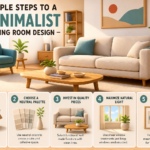
Choosing the right furniture is key to achieving a minimalist look. Opt for multi-functional pieces that serve several purposes. For example, a coffee table with storage can help keep your space tidy while providing a place to display decor. Foldable chairs and tables are also excellent for small spaces. They can be stored away when not in use, freeing up room for movement.
When selecting furniture, prioritize quality over quantity. Invest in a few timeless pieces that are durable and stylish. Look for clean lines and simple designs without excessive ornamentation. This creates a cohesive aesthetic that feels intentional. Additionally, consider the scale of your furniture. In smaller apartments, oversized pieces can overwhelm the space, while smaller items can create a more inviting atmosphere.
Incorporating Natural Light
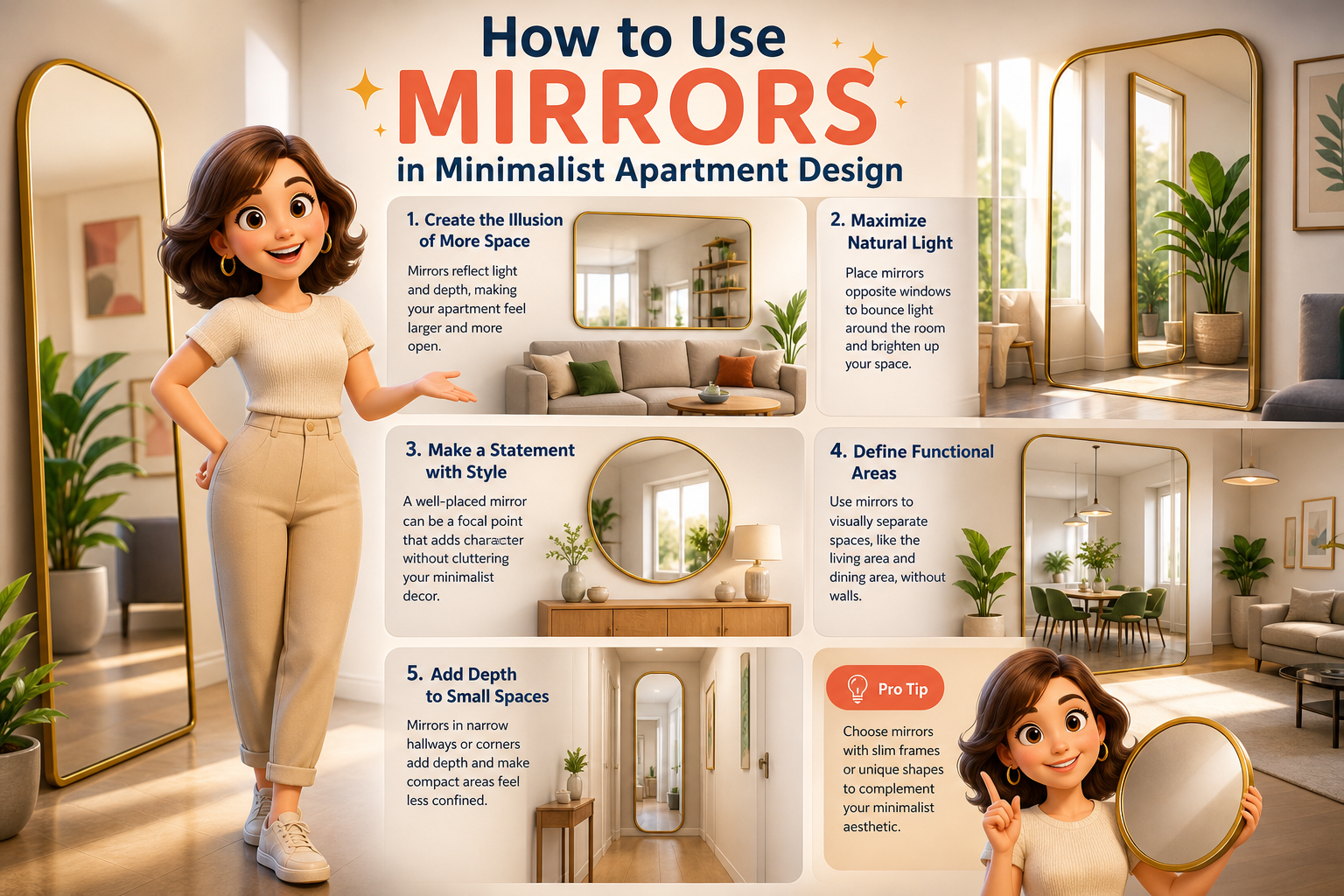
Natural light is essential in minimalist design. It creates an inviting and warm atmosphere while making spaces feel larger. To maximize natural light, avoid heavy curtains. Instead, opt for sheer window treatments that allow sunlight to filter through. Mirrors can also help reflect light around the room, enhancing brightness.
Consider the layout of your furniture as well. Arrange pieces to avoid blocking windows and openings. Open layouts allow light to flow freely, creating a more cohesive look. In darker corners, add light-colored decor or plants to brighten the space. Bringing in more natural light not only improves the aesthetics but also enhances your mood, making your home feel more welcoming.
Choosing Minimalist Decor
Minimalist decor is about careful selection. Choose decorative items that resonate with you personally. Artwork, vases, and plants can add character without overwhelming the space. When selecting decor, remember that less is often more. A single statement piece can be more impactful than a cluttered wall of small items.
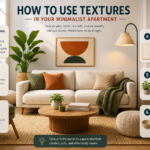
Consider the textures of your decor as well. Incorporating various materials, such as wood, metal, or textiles, can add depth without cluttering the space. For instance, a wooden bowl on a glass table can create a beautiful contrast while remaining simple. Additionally, plants can bring life to your home without taking up much space, making them ideal for minimalist decor.
Creating Functional Spaces
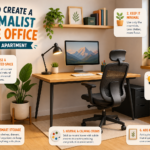
Functional spaces are vital in a minimalist home. Each area should serve a clear purpose. In small apartments, this might mean combining a workspace with a living area. Use rugs or furniture placement to define zones within an open layout. A small desk tucked in a corner can create an efficient workspace without sacrificing style.
Think about how you use each area and what items you need for that function. For example, if you love reading, create a cozy nook with a comfortable chair and a small bookshelf. Ensure that the design remains uncluttered. Use storage solutions that blend seamlessly into the decor. This keeps your home functional while maintaining a minimalist aesthetic.
Using Technology Wisely
In 2026, technology can enhance minimalist design. Smart home devices help create a streamlined living experience. For example, smart lighting can adjust colors and brightness depending on your mood or time of day. This reduces the need for multiple lamps and fixtures, keeping the space clutter-free.
Investing in multi-functional devices is also beneficial. Smart speakers can play music, control home security, and manage other smart devices, all from one unit. This reduces the number of gadgets you need, aligning with minimalist principles. Additionally, wireless technology can help eliminate clutter from cords and chargers, making your space feel more organized and serene.
Incorporating Sustainable Practices
Minimalist design and sustainability go hand in hand. Choosing eco-friendly materials and practices can enhance your home while benefiting the environment. In 2026, many furniture companies focus on sustainability, providing options made from recycled materials or sustainably sourced wood. This not only reduces your carbon footprint but also contributes to a minimalist aesthetic.
Consider energy-efficient appliances and fixtures as well. They help reduce energy consumption, saving you money and minimizing waste. Incorporating plants can also improve air quality and bring a touch of nature indoors. By adopting sustainable practices, you create a cozy home that reflects your values and commitment to the planet.
Tips for Small Spaces
Living in a small city apartment presents unique challenges. However, minimalist design principles can be particularly effective in these environments. Maximize vertical space by using wall-mounted shelves or tall bookshelves. This draws the eye upward, creating the illusion of height while providing storage.
Use furniture that doubles as storage. Ottomans, benches, or coffee tables with hidden compartments can help keep your space tidy. Mirrors also play a significant role in small spaces. They reflect light and create depth, making rooms feel larger. Finally, keep your decor simple and limited to a few meaningful pieces to avoid visual clutter.
Maintaining a Minimalist Home
Once you create a minimalist space, maintaining it is important. Set aside time regularly to reassess your belongings. Ask yourself if each item still serves a purpose or adds joy to your life. If not, consider donating or discarding it. Establishing a routine for cleaning and organizing can help keep clutter at bay.
Encourage a minimalist mindset in all aspects of your life. This can include digital decluttering, such as organizing files on your computer or phone. Reducing digital clutter can help clear mental space. Embrace the idea that less truly is more. A minimalist home allows for greater appreciation of the items you choose to keep, creating a more fulfilling living experience.
Minimalist design is an excellent approach for cozy city living. It encourages thoughtful choices about space, color, and decor. By decluttering, selecting functional furniture, and incorporating natural elements, you can create a peaceful sanctuary that reflects your style. In 2026, embracing technology and sustainable practices can enhance this design philosophy even further.
Remember that minimalism is not just about aesthetics; it is a lifestyle choice. It promotes mindfulness and intentionality in your living space. As you implement these minimalist design tips, you will discover the joy of a simplified life. Your city home can be a haven of tranquility, making urban living more enjoyable and fulfilling.