

Table of Contents
[Hide]
- Understanding Minimalist Apartment Design
- The Importance of Natural Light
- Choosing the Right Window Treatments
- Maximizing Space with Open Layouts
- Layering Artificial Lighting
- Selecting Minimalist Light Fixtures
- Using Color to Influence Light
- Creating Focal Points with Light
- Incorporating Plants for Natural Light Enhancement
- Smart Home Technology and Lighting Control
- Conclusion: Balancing Light and Minimalism
Understanding Minimalist Apartment Design
Minimalist apartment design focuses on simplicity, functionality, and a clutter-free environment. It aims to create a space that feels open and airy. This approach emphasizes the use of fewer furnishings and decor items, allowing each piece to stand out. The idea is to provide a calm atmosphere that promotes relaxation and well-being. In 2026, this design trend continues to evolve with new technologies and materials. Using light effectively is essential in minimalist design because it enhances the simplicity and elegance of the space.
Key Takeaways & Quick Overview
- Understanding Minimalist Apartment Design: Explore practical strategies and verified recommendations in the section below.
- The Importance of Natural Light: Explore practical strategies and verified recommendations in the section below.
- Choosing the Right Window Treatments: Explore practical strategies and verified recommendations in the section below.
Natural light plays a vital role in minimalist design. It helps create a sense of space and reduces the need for artificial lighting during the day. Additionally, the right artificial lighting can highlight architectural features and design choices. Understanding how to maximize both types of light is key to successful minimalist apartment design.
The Importance of Natural Light
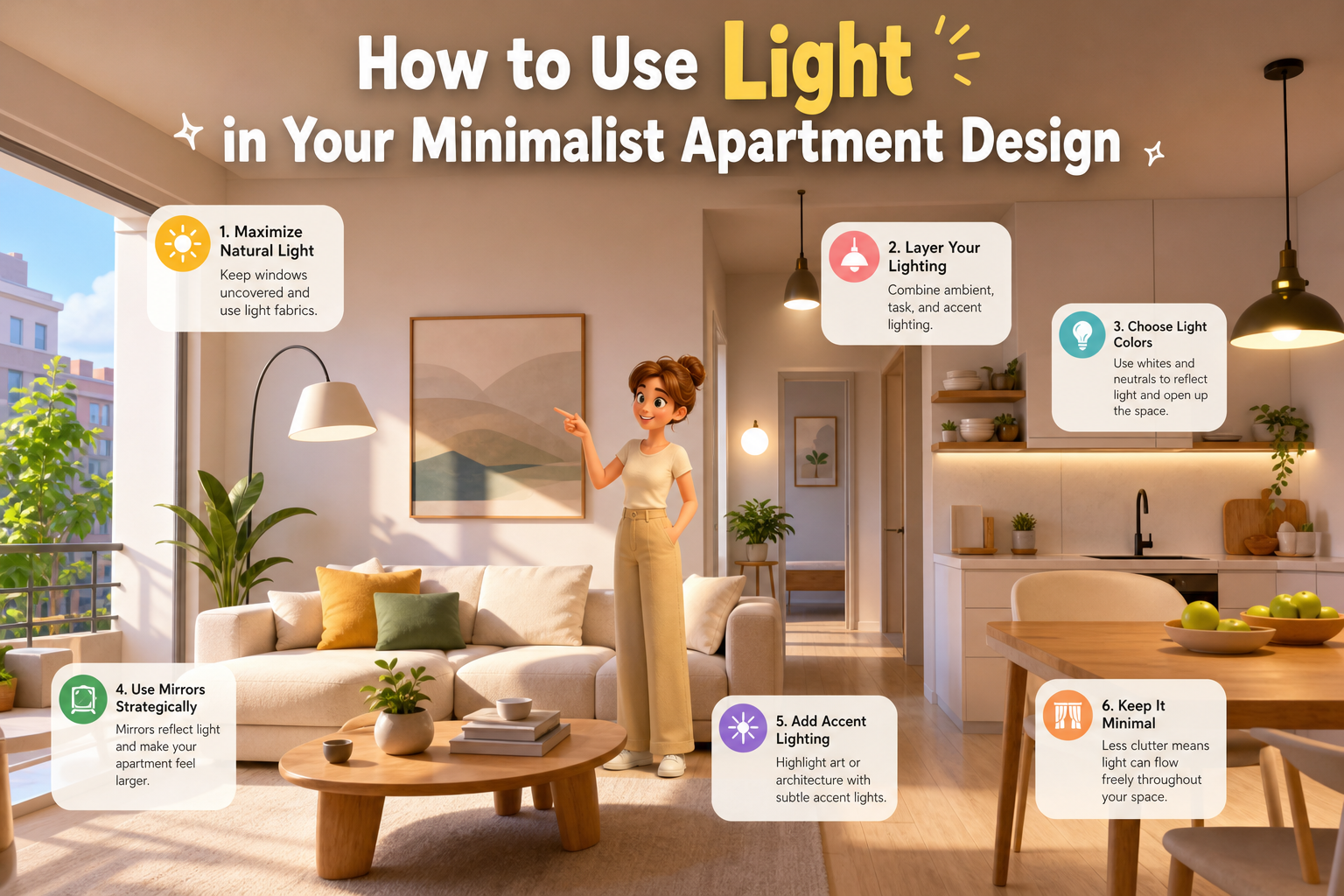
Natural light is a cornerstone of minimalist apartment design. It can change the mood of a room instantly. Well-lit spaces feel more spacious and inviting. To maximize natural light, consider the placement of furniture and decor. Avoid blocking windows with large pieces. Instead, opt for low-profile furniture that keeps the flow of light uninterrupted.
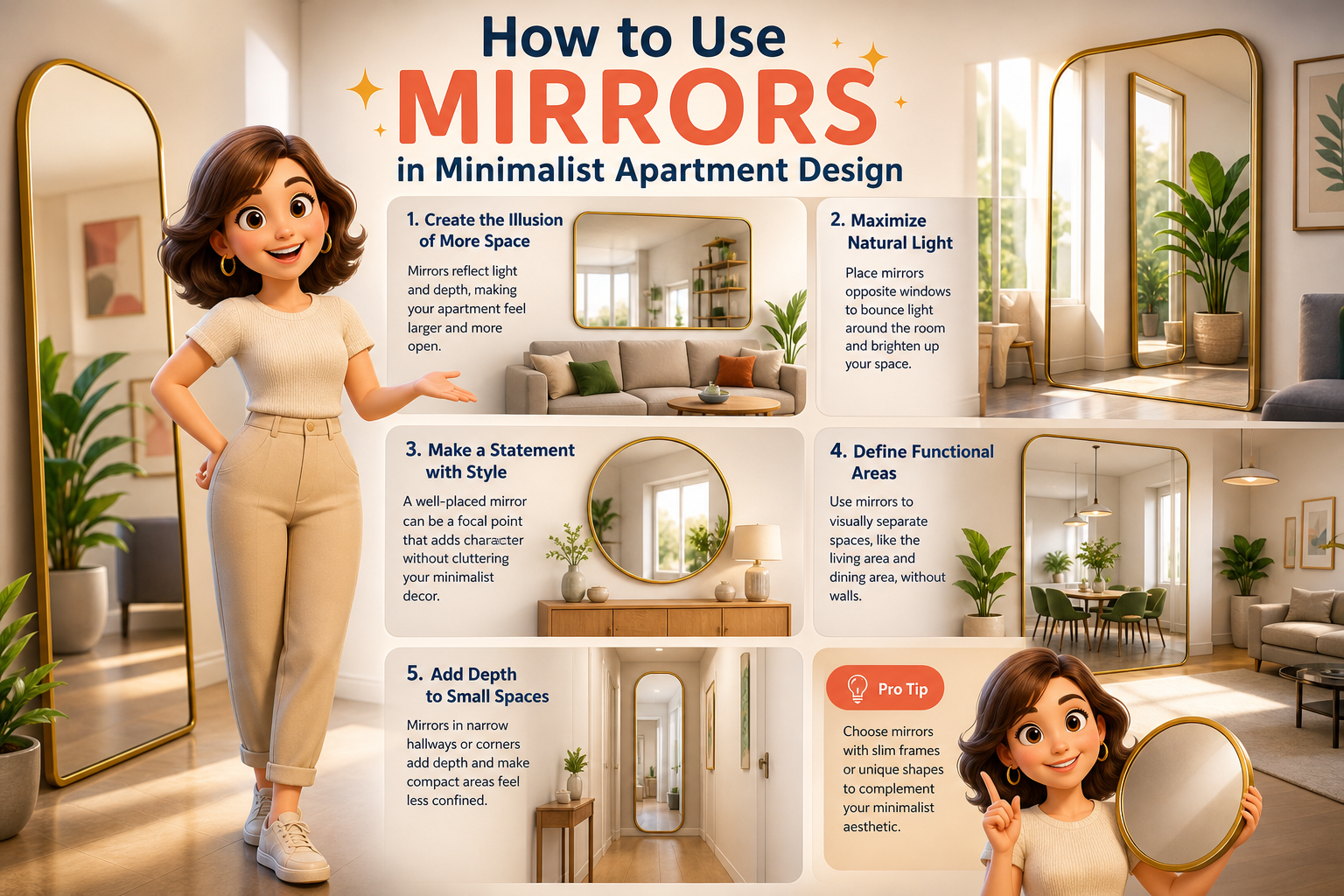
Another way to enhance natural light is through the use of mirrors. Mirrors can reflect light and make a room appear larger. Placing a mirror opposite a window is an effective way to brighten a room. In 2026, smart glass technology also offers innovative solutions. These windows can adjust their tint based on sunlight, allowing you to control the amount of light entering your apartment.
Choosing the Right Window Treatments
Window treatments can significantly impact how much natural light enters your apartment. In minimalist design, it is best to choose simple, light-filtering options. Sheer curtains can provide privacy while still allowing light to flow in. Roller shades are another excellent choice for a clean, modern look.
Consider using shades that can be easily adjusted throughout the day. This way, you can control the amount of light depending on the time. In 2026, many smart home systems allow you to automate your window treatments. This technology enables you to open or close your shades with voice commands or smartphone apps. Automation can enhance both comfort and energy efficiency.
Maximizing Space with Open Layouts
Open layouts are a popular choice in minimalist apartment design. They create a seamless flow between rooms and maximize light. When designing an open space, think about how to zone areas with light rather than physical barriers. For instance, a light fixture can define a dining area without needing a wall.
In 2026, using furniture as dividers is a clever strategy. A well-placed bookshelf can separate spaces while maintaining an open feel. Ensure that your furniture choices are lightweight and low-profile. This allows light to pass through and keeps the space feeling airy. Use rugs to define different areas in an open layout while ensuring that they complement the overall design.
Layering Artificial Lighting
Layering artificial lighting is essential in minimalist apartment design. It involves using different types of lighting to create depth and interest. The three main types of lighting are ambient, task, and accent lighting. Ambient lighting provides general illumination, task lighting focuses on specific areas, and accent lighting highlights features.
In 2026, LED technology offers versatile options for all three types of lighting. Recessed lights can provide ambient light, while pendant lights over countertops serve as task lighting. Use wall sconces or spotlights to draw attention to artwork or architectural details. Layering these types of lighting can create a warm and inviting atmosphere while keeping the design minimal.
Selecting Minimalist Light Fixtures
Choosing the right light fixtures is vital in minimalist apartment design. Look for fixtures that align with your overall aesthetic. Simple shapes and clean lines work best. In 2026, modern designs often feature materials like metal or glass, which can add a touch of elegance without overwhelming the space.
Consider the scale of your fixtures. Large fixtures in small rooms can feel cramped, while tiny fixtures in large spaces can get lost. Pendant lights and floor lamps can serve as statement pieces without being too busy. Always aim for harmony between the light fixtures and the rest of the decor.
Using Color to Influence Light
The color of your walls and decor can affect how light interacts with your space. Light colors reflect more light and make a room feel larger. Whites, soft grays, and pastels are popular choices in minimalist designs. In 2026, you can also explore eco-friendly paints that have a low environmental impact.
Dark colors, while bold, can absorb light and create a cozy feel. However, they can also make a space feel smaller if overused. If you prefer darker tones, balance them with ample lighting and lighter furnishings. This approach can create a striking contrast that maintains a minimalist aesthetic.
Creating Focal Points with Light
Focal points can add interest to a minimalist apartment without cluttering the space. Lighting can be used to create these focal points. For example, highlighting a piece of art or a unique architectural feature can draw the eye and add personality. Use directional lighting, like track lights or spotlights, to emphasize these areas.
In 2026, smart lighting options allow you to change colors and intensities. This technology can enhance your focal points by creating different moods. Consider using a dimmer to adjust the light levels based on your needs. This flexibility can make your apartment feel dynamic and responsive.
Incorporating Plants for Natural Light Enhancement
Plants not only add life to your apartment but also enhance the use of natural light. They can soften hard edges and create a more inviting atmosphere. In minimalist design, choose plants that require low maintenance and do well in indirect light. Popular choices include snake plants and pothos.
In 2026, many people are using stylish planters that complement their decor. Hanging plants can also be a great way to save space while adding greenery. Consider placing plants near windows to take advantage of natural light. This positioning will help them thrive while also enhancing your apartment’s overall design.
Smart Home Technology and Lighting Control
Smart home technology is transforming how we use light in our apartments. In 2026, many homeowners are integrating smart lighting systems into their minimalist designs. These systems allow you to control your lights remotely, set schedules, and even adjust brightness and color temperatures.
Smart bulbs can be an excellent addition to any minimalist apartment. They can be controlled through an app or voice commands. This technology provides the flexibility to adjust lighting based on your activities or mood. Whether you need bright light for working or soft light for relaxation, smart lighting offers an easy solution.
Conclusion: Balancing Light and Minimalism
Using light effectively is essential in achieving a successful minimalist apartment design. Natural light should be maximized while artificial light should be layered to create warmth and depth. By choosing the right fixtures, colors, and technologies, you can create a balanced space that feels open and inviting. In 2026, the integration of smart technology makes it easier than ever to control light, enhancing your minimalist lifestyle.
Remember, the goal of minimalist design is to create a space that reflects your personality without overwhelming it with excess. By focusing on light, you can achieve a harmonious balance that elevates your home. With careful planning and creative strategies, your minimalist apartment can become a serene sanctuary filled with light.