


Table of Contents
[Hide]
Understanding Minimalist Furniture
Minimalist furniture focuses on simplicity and functionality. It emphasizes clean lines, neutral colors, and practical design without excessive decoration. This style works well in smaller spaces, like apartments, where every item must serve a purpose. By choosing minimalist pieces, you can create a calm and organized environment. It helps to reduce clutter and enhances the feeling of space. In 2026, modern minimalist furniture often uses sustainable materials, combining style with eco-friendliness. This approach not only looks good but also supports a healthier planet.
Key Takeaways & Quick Overview
- Understanding Minimalist Furniture: Explore practical strategies and verified recommendations in the section below.
- Assessing Your Space: Explore practical strategies and verified recommendations in the section below.
- Choosing the Right Materials: Explore practical strategies and verified recommendations in the section below.
When selecting minimalist furniture, think about how each piece fits into your overall vision. A furniture item should not just fill a space; it should enhance the room’s functionality and aesthetic. Consider the balance between form and function. A minimalist sofa, for example, should be comfortable yet not overpowering. Aim for a harmonious look that makes your apartment feel inviting and spacious.
Assessing Your Space
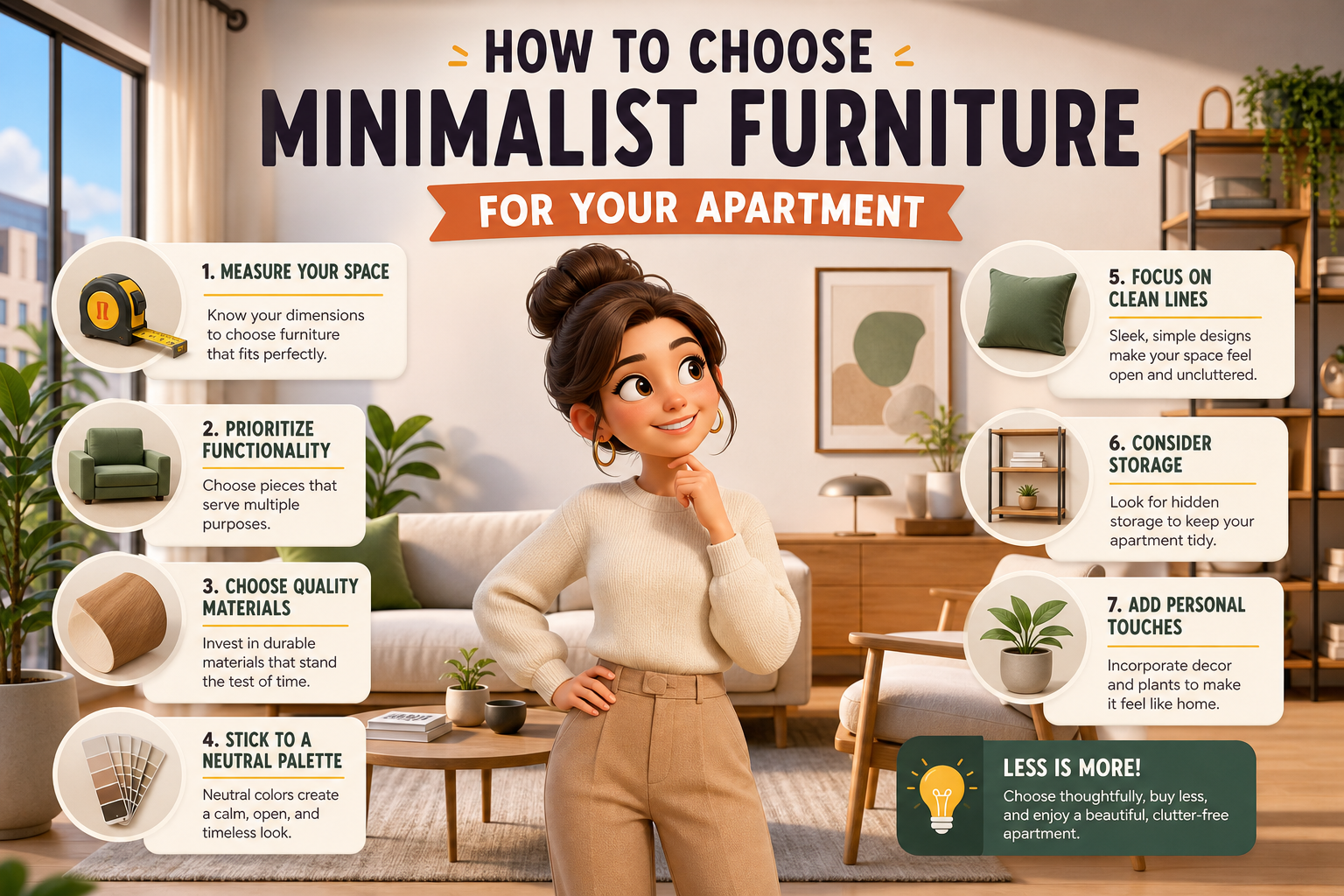
Before you start shopping, take a close look at your apartment. Measure each room carefully, noting the dimensions of walls, windows, and doorways. This will help you understand what sizes of furniture will fit. For example, a large sectional sofa may not work well in a small living room. Instead, opt for a compact sofa or a loveseat with clean lines.
Also, consider the layout of the room. Think about how you use the space daily. Do you need a dining table that can double as a workspace? Or perhaps a coffee table with storage? Minimalist furniture should cater to your lifestyle. Keep your needs in mind as you plan your layout. Sketching a basic floor plan can also help visualize how different pieces will fit together.
Choosing the Right Materials
Material choice plays a significant role in minimalist furniture. Common materials include wood, metal, and glass. Each material offers different benefits. For example, wood provides warmth and texture, while metal adds a sleek, modern touch. Glass can create an illusion of more space, making it ideal for smaller areas.
In 2026, many brands focus on sustainable materials. Look for furniture made from reclaimed wood or recycled metal. These options are environmentally friendly and add character to your home. Fabrics also matter. Opt for durable materials that are easy to clean and maintain. Linen, cotton, and leather are popular choices for minimalist designs. They offer a timeless look that complements various color schemes.
Color Schemes for Minimalism
Color is essential in creating a minimalist atmosphere. Neutral colors like white, gray, and beige are popular because they create a calming backdrop. These shades make a space feel open and airy. You can add a splash of color through accessories like cushions or artwork. But, keep the main furniture pieces in neutral tones to maintain the minimalist vibe.
In 2026, a trend is emerging towards earth tones and muted pastels. These colors bring warmth without overwhelming the senses. When selecting colors, think about how they interact with natural light in your apartment. Dark colors can make a room feel smaller, while light colors can enhance brightness. Choose a palette that reflects your style while keeping the space feeling spacious.
Functional Furniture Pieces
Minimalist furniture should always have a purpose. Look for multifunctional pieces that serve more than one role. For example, a coffee table that doubles as storage helps reduce clutter. Sofas that convert into beds are excellent for guests but do not take up unnecessary space. These kinds of furniture are ideal for apartments where space is limited.
Another option is nesting tables, which can be separated when needed and tucked away when not in use. This flexibility is key in a minimalist setup. Think about your daily activities and choose furniture that makes life easier. By focusing on functionality, you can create a space that is both practical and stylish.
Creating a Cohesive Look
To achieve a cohesive look, choose furniture pieces that complement each other. This does not mean everything has to match, but they should share common elements like color, material, or design style. For instance, if you have a wooden dining table, consider chairs that also feature wood but perhaps in a different finish.
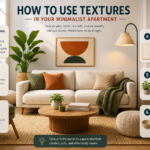
In 2026, mixing textures is a popular way to achieve this cohesion. Pair a smooth leather sofa with a soft wool rug. This contrast adds depth to the design without overwhelming the space. Additionally, maintain a consistent style throughout the apartment. If you start with a modern minimalist theme in the living room, carry that through to the bedroom and kitchen. This unity makes the space feel larger and more organized.
Incorporating Personal Touches
While minimalism emphasizes simplicity, it is essential to add personal touches that reflect your personality. Choose a few decorative items that bring you joy. This could be a favorite piece of art or a unique sculpture. However, be mindful not to overcrowd your space. One or two well-placed items can make a strong statement without creating clutter.
Plants are another excellent way to personalize your apartment. They bring life and color into a minimalist setting. In 2026, indoor plants like succulents and snake plants are popular choices as they are low-maintenance. Arrange them in simple pots that match your furniture style. This balance between personal items and minimalist principles creates a welcoming environment.
Shopping for Minimalist Furniture
Now that you understand the principles of minimalist furniture, it’s time to shop. Start by researching local stores and online retailers. Many companies now specialize in minimalist designs. Look for brands that align with your values, especially those focusing on sustainability and quality.
When shopping, consider visiting showrooms. This allows you to see and feel the furniture in person. Check the quality of materials and construction. If you are shopping online, read reviews and check return policies. In 2026, many retailers offer virtual reality tools to visualize how furniture will look in your space. This technology can enhance your decision-making process.
Lastly, set a budget before you start buying. Minimalist furniture can range widely in price. Prioritize essential pieces first, and then gradually add decorative items as your budget allows. This approach ensures that you create a beautiful, functional space without overspending.