
Table of Contents
[Hide]
- Introduction to Minimalist Style
- Understanding the Principles of Minimalism
- Choosing a Minimalist Color Palette
- Furniture Selection for Minimalist Living
- Decluttering Your Urban Apartment
- Creating a Functional Layout
- Efficient Lighting Solutions
- Incorporating Greenery into Minimalism
- Minimalist Decor Ideas
- Smart Storage Solutions
- Maintaining Minimalist Style
- Conclusion: Embracing Minimalist Living
Introduction to Minimalist Style
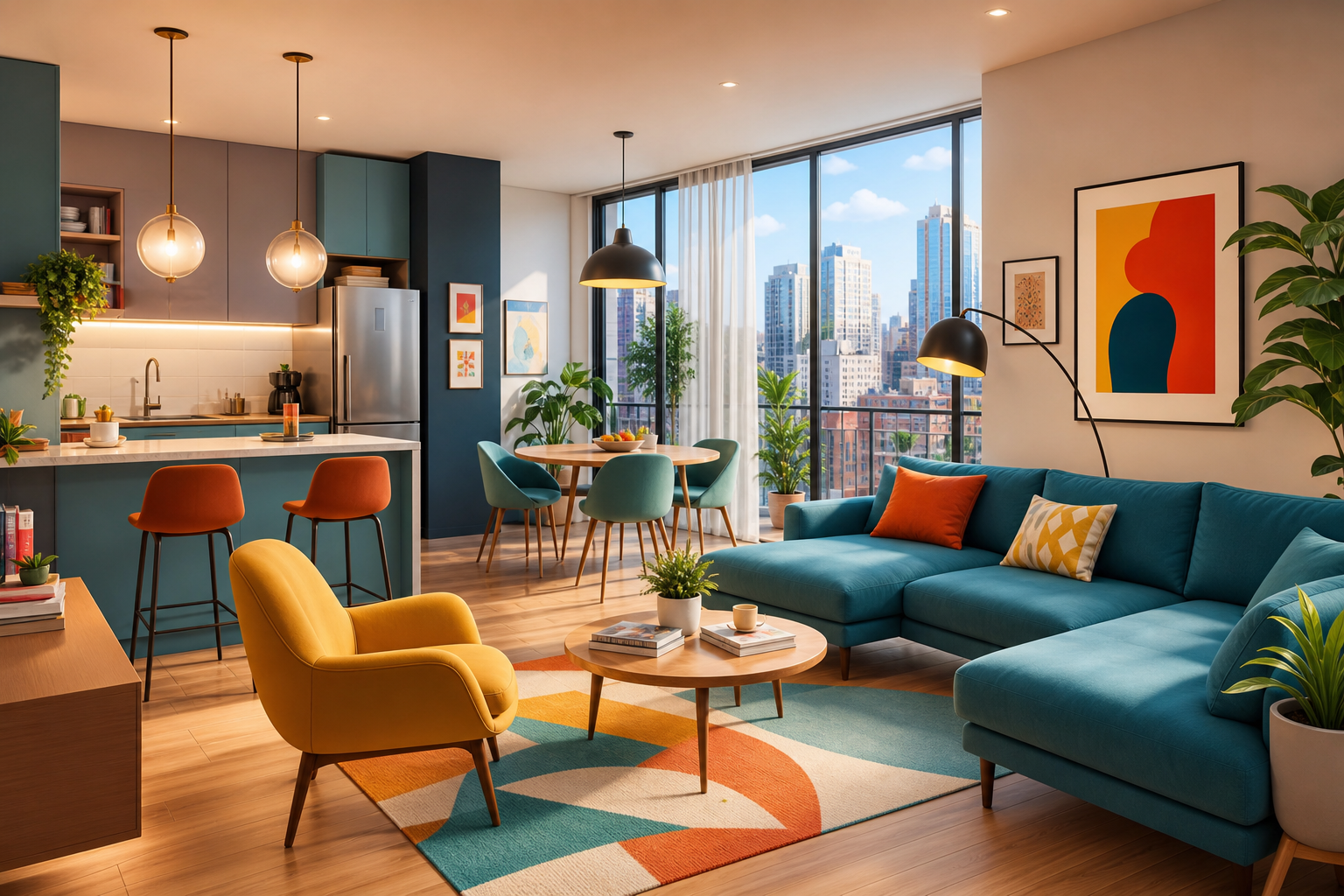
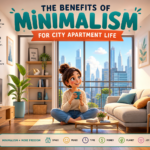
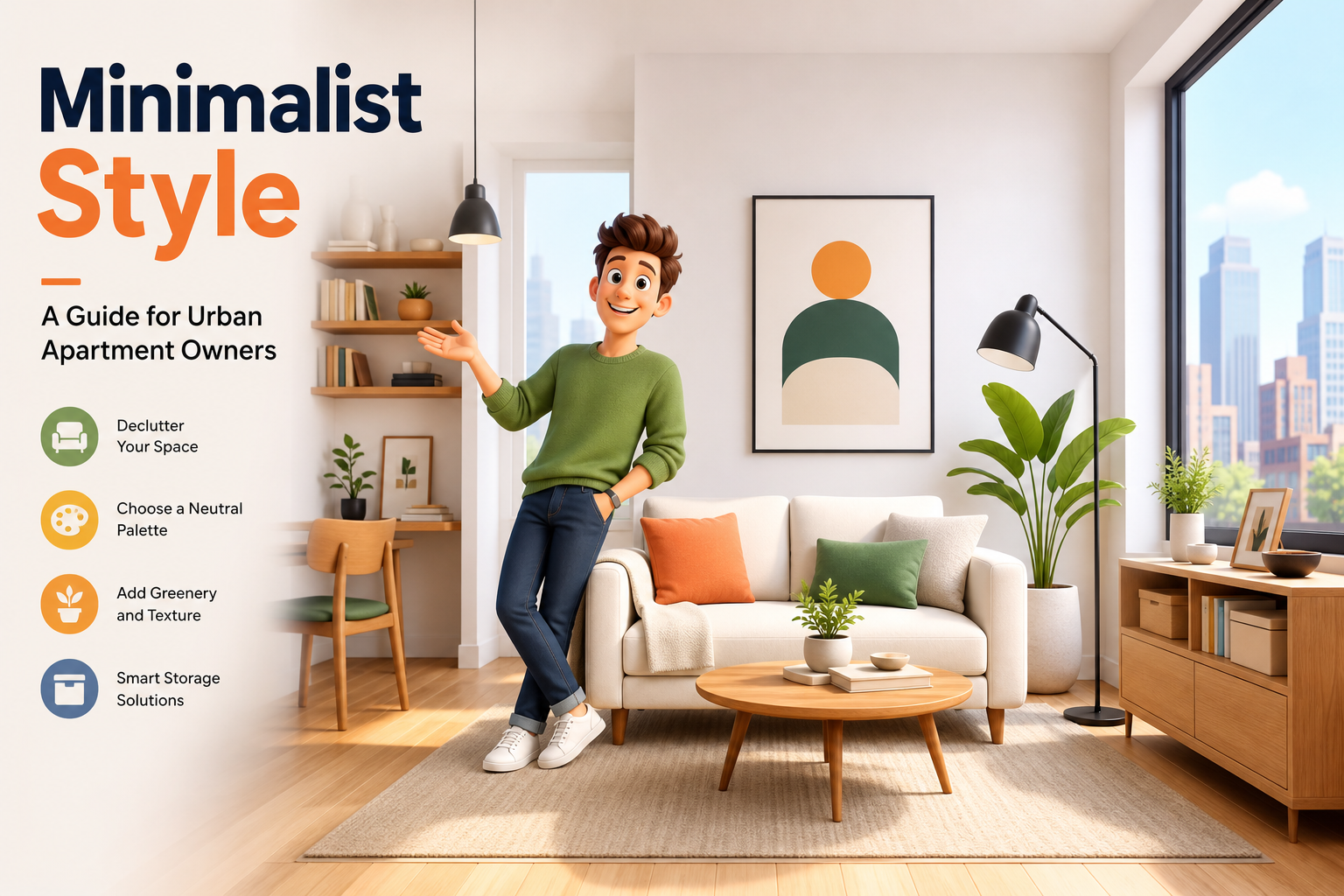
Minimalist style is more than just a design trend; it is a lifestyle choice. In 2026, urban apartment owners are increasingly embracing this approach. Minimalism focuses on simplicity, functionality, and creating a serene environment. The goal is to reduce clutter and distractions, allowing for a calm and organized space. This style is perfect for those living in urban environments, where space is often limited. By adopting minimalist principles, you can create a stylish, efficient, and peaceful home. Let’s explore how to implement minimalist style in your urban apartment.
Key Takeaways & Quick Overview
- Introduction to Minimalist Style: Explore practical strategies and verified recommendations in the section below.
- Understanding the Principles of Minimalism: Explore practical strategies and verified recommendations in the section below.
- Choosing a Minimalist Color Palette: Explore practical strategies and verified recommendations in the section below.
Understanding the Principles of Minimalism
To embrace minimalist style, it is essential to understand its core principles. First, minimalism emphasizes quality over quantity. Instead of filling your space with many items, focus on a few well-chosen pieces. Second, functionality is key. Every item should serve a purpose. Third, simplicity is important. Choose clean lines and neutral colors to create a harmonious atmosphere. Lastly, the idea of “less is more” underpins all minimalist design. By removing unnecessary elements, you can improve your living space significantly. This approach not only enhances aesthetics but also creates a more peaceful environment.
Choosing a Minimalist Color Palette
Color plays a vital role in minimalist design. A neutral color palette is typically favored. Think whites, grays, and beiges. These colors create a clean and airy feel. Accents of muted tones can add depth without overwhelming the senses. For example, soft blues or gentle greens can introduce a hint of color while maintaining a tranquil atmosphere. When selecting colors, consider the natural light in your apartment. Bright spaces can handle darker shades, while smaller or dimly lit areas benefit from lighter hues. Overall, choose a palette that reflects simplicity and serenity.
Furniture Selection for Minimalist Living
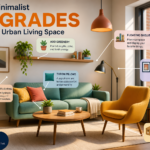
When it comes to furniture, opt for multifunctional pieces. For example, a coffee table that doubles as storage can be invaluable in a small apartment. Look for items with clean lines and a simple design. Avoid overly ornate or heavy furniture, as it can make a space feel cramped. Additionally, consider the scale of your furniture. Large pieces can overwhelm a small room. Instead, select smaller, lightweight options that fit the space without compromising comfort. Remember, each piece should enhance the room’s functionality without adding clutter.
Decluttering Your Urban Apartment
Decluttering is a foundational step in adopting minimalist style. Start by assessing your belongings. Ask yourself if each item adds value to your life. If not, consider donating or recycling it. Begin with one room at a time. For instance, tackle your living room first. Clear out items that are unnecessary or seldom used. Create designated spaces for essential items to keep things organized. Use storage solutions that blend with your decor, like decorative baskets or sleek shelving. Regularly revisiting your belongings helps maintain a clutter-free environment.
Creating a Functional Layout
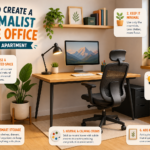
A functional layout is essential in minimalist design. The goal is to maximize space while allowing for easy movement. Start by arranging furniture to encourage flow. Ensure pathways between pieces are clear. In a small apartment, consider using area rugs to define spaces without physical barriers. For example, a rug can separate the living area from the dining space. Additionally, utilize vertical space. Wall-mounted shelves can store items without taking up floor space. This approach creates a more open feel, which is vital in urban settings.
Efficient Lighting Solutions
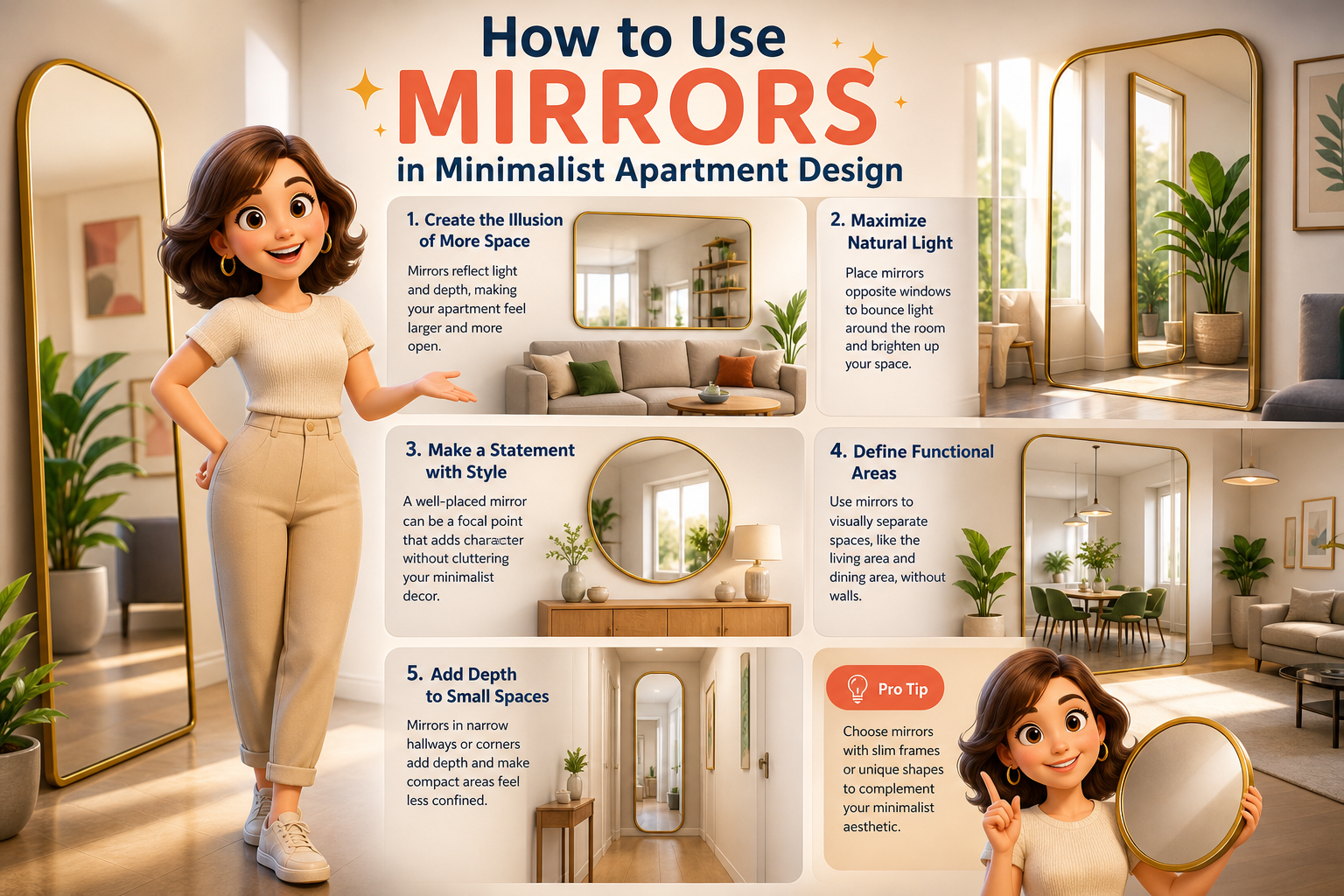
Lighting can dramatically influence the mood of your apartment. In minimalist style, natural light is preferred. Use sheer curtains to allow sunlight to filter in while maintaining privacy. Consider adding mirrors to reflect light and create the illusion of a larger space. For artificial lighting, choose simple fixtures that align with your minimalist aesthetic. Pendant lights or slim floor lamps offer style without cluttering the space. Additionally, layering your lighting can enhance functionality. Combining ambient, task, and accent lighting creates a versatile and inviting atmosphere.
Incorporating Greenery into Minimalism
Plants can bring life and freshness to your minimalist apartment. They add color and improve air quality without overwhelming the space. Opt for low-maintenance indoor plants, such as succulents or snake plants. These require minimal care and can thrive in various light conditions. Use simple pots that complement your decor. Hanging plants or wall-mounted planters can save space while adding visual interest. Remember to place plants strategically to enhance your layout. A single large plant in the corner can make a bold statement without cluttering the area.
Minimalist Decor Ideas
Decor in a minimalist apartment should remain simple and intentional. Avoid overcrowding walls with art. Instead, select one or two pieces that resonate with you. A large canvas or a simple print can serve as a focal point. When choosing decor, consider texture over quantity. A woven basket or a soft throw can add warmth and dimension without clutter. Keep surfaces clear, but feel free to display a few meaningful objects. This approach creates a personal touch without overwhelming the minimalist aesthetic.
Smart Storage Solutions
Effective storage is essential for maintaining a minimalist lifestyle. Utilize under-bed storage for seasonal items or less frequently used belongings. Invest in furniture that offers hidden storage, such as ottomans with compartments. Additionally, consider vertical storage options to maximize space. Tall bookshelves can organize books and decorative items without taking up much floor space. Use baskets or boxes to group similar items together. Labeling these containers can aid in keeping things organized and easy to find. Smart storage ensures that your apartment remains functional and clutter-free.
Maintaining Minimalist Style
Once you have adopted a minimalist style, maintaining it requires ongoing effort. Regularly assess your belongings and eliminate items that no longer serve a purpose. Set aside time each month for decluttering. This practice prevents accumulation and keeps your space feeling fresh. Additionally, be mindful of new purchases. Before bringing in a new item, ask yourself if it aligns with your minimalist values. Embrace the idea that your space can be both beautiful and functional with fewer possessions. This philosophy leads to a more intentional and fulfilling living experience.
Conclusion: Embracing Minimalist Living
Adopting a minimalist style in your urban apartment can transform your living space into a serene oasis. By focusing on simplicity, functionality, and intentional design, you can create a home that reflects your values. Remember, minimalism is not just about reducing clutter but enhancing your overall quality of life. In 2026, more urban dwellers are recognizing the benefits of this lifestyle. Take the first step today by evaluating your space and making thoughtful choices. Embrace the freedom and clarity that comes with minimalist living.