


Table of Contents
[Hide]
Understanding Minimalist Design
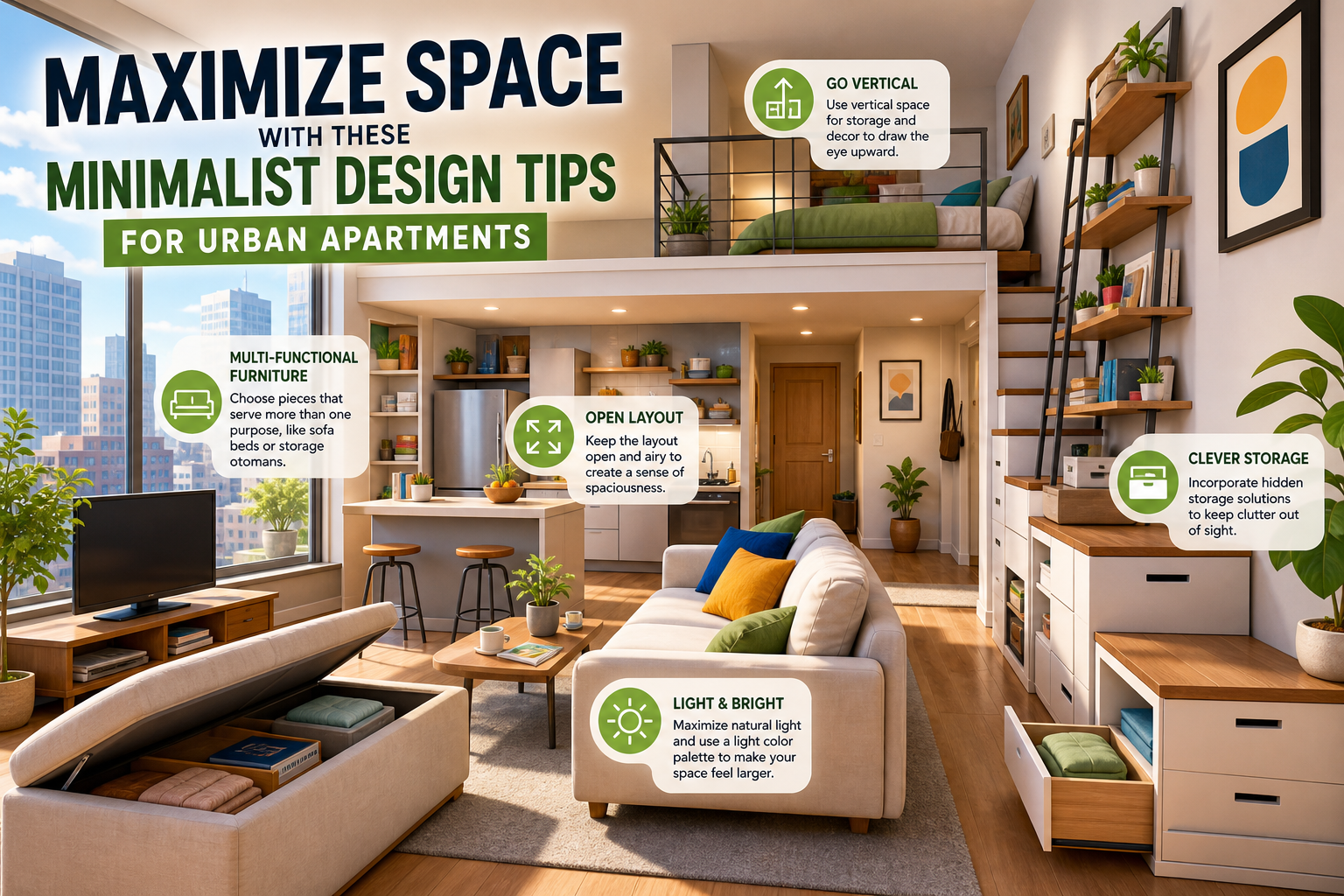
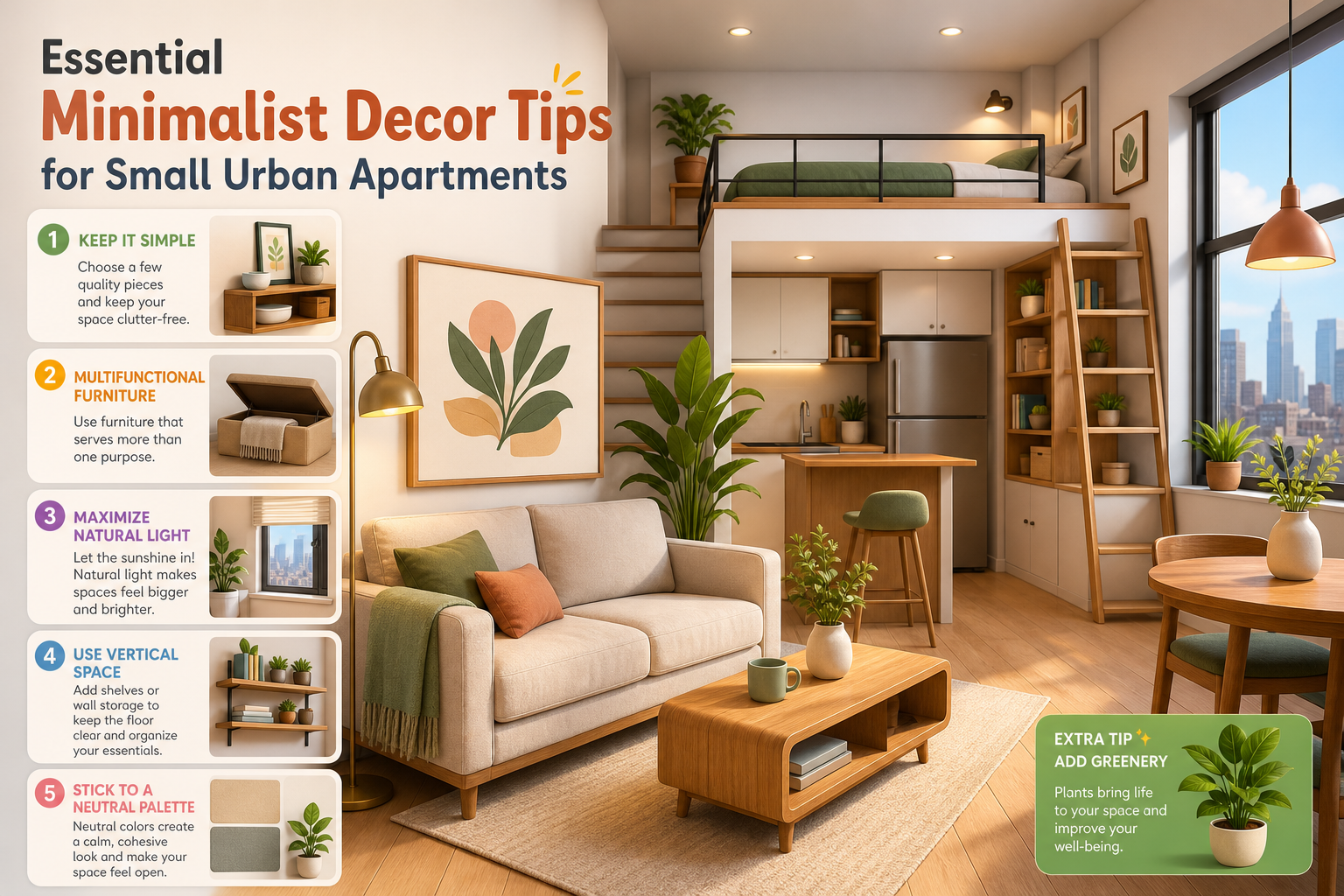
Minimalist design focuses on simplicity and functionality. It is about removing clutter and keeping only what you need. This design style is perfect for urban apartments where space is limited. Think about a room with clean lines, neutral colors, and only essential furniture. The goal is not just to make a room look good but also to feel inviting and comfortable. You want to create a space that feels open and airy.
Key Takeaways & Quick Overview
- Understanding Minimalist Design: Explore practical strategies and verified recommendations in the section below.
- Choosing a Color Palette: Explore practical strategies and verified recommendations in the section below.
- Furniture Selection and Arrangement: Explore practical strategies and verified recommendations in the section below.
In 2026, many people are looking for ways to simplify their lives. Minimalist design aligns with that desire. By embracing fewer items, you create more room to breathe. This approach can lead to a more peaceful living environment. Additionally, it can save you time on cleaning and organizing. The key is to focus on what truly matters to you and let go of distractions.
Choosing a Color Palette
A simple color palette is vital in minimalist design. Neutral tones like white, beige, and gray help create a serene atmosphere. These colors can make small spaces feel larger and more open. You can add depth by incorporating a few darker shades, such as navy or charcoal, but keep them limited. This approach adds sophistication without overwhelming the space.
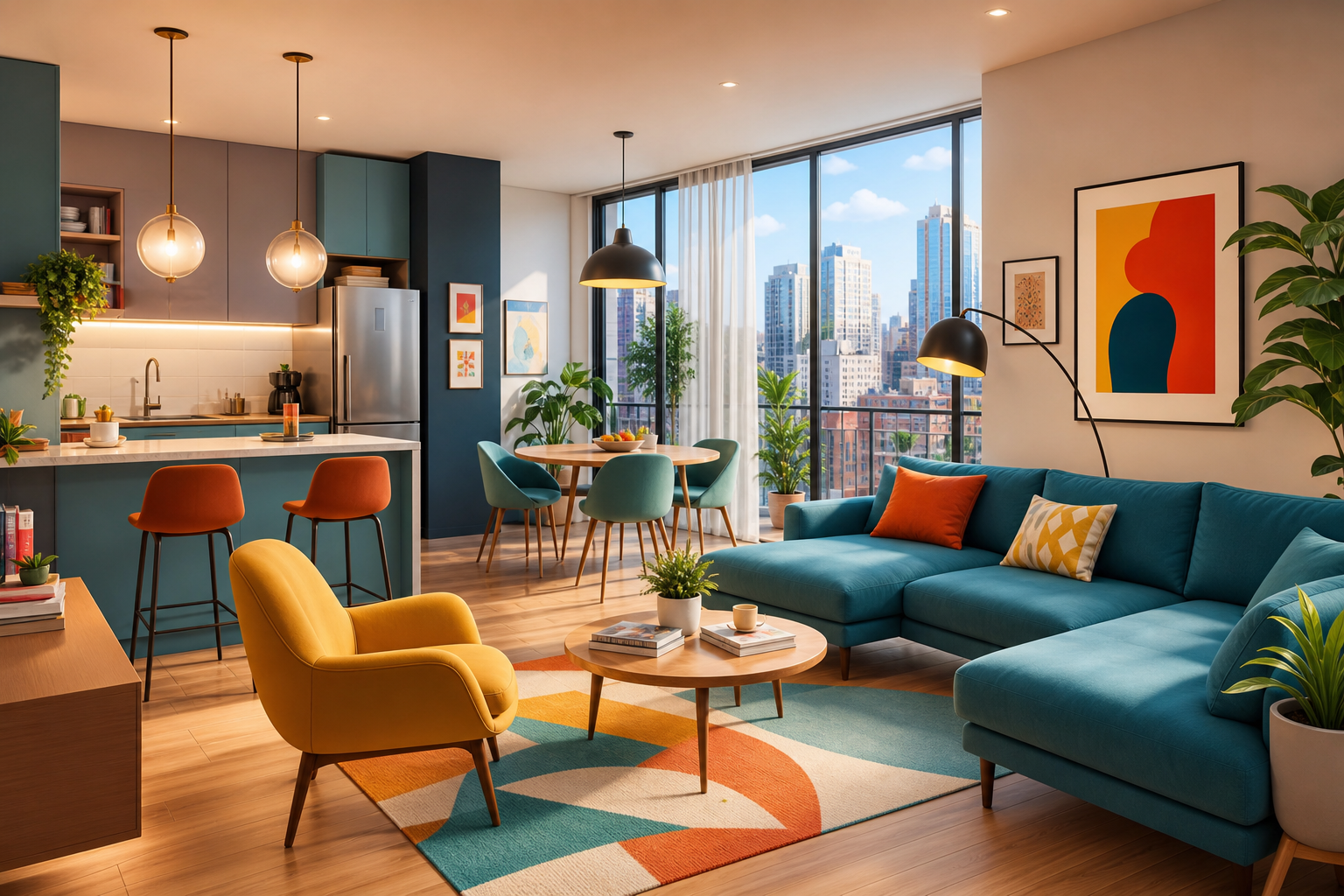
Accent colors can also play a role. Consider adding pops of color through artwork or decorative items. For instance, a bright red vase or a yellow throw pillow can bring life to your apartment. However, remember not to overdo it. The goal is to maintain a calm environment. Stick to two or three accent colors that complement your main palette.
Furniture Selection and Arrangement
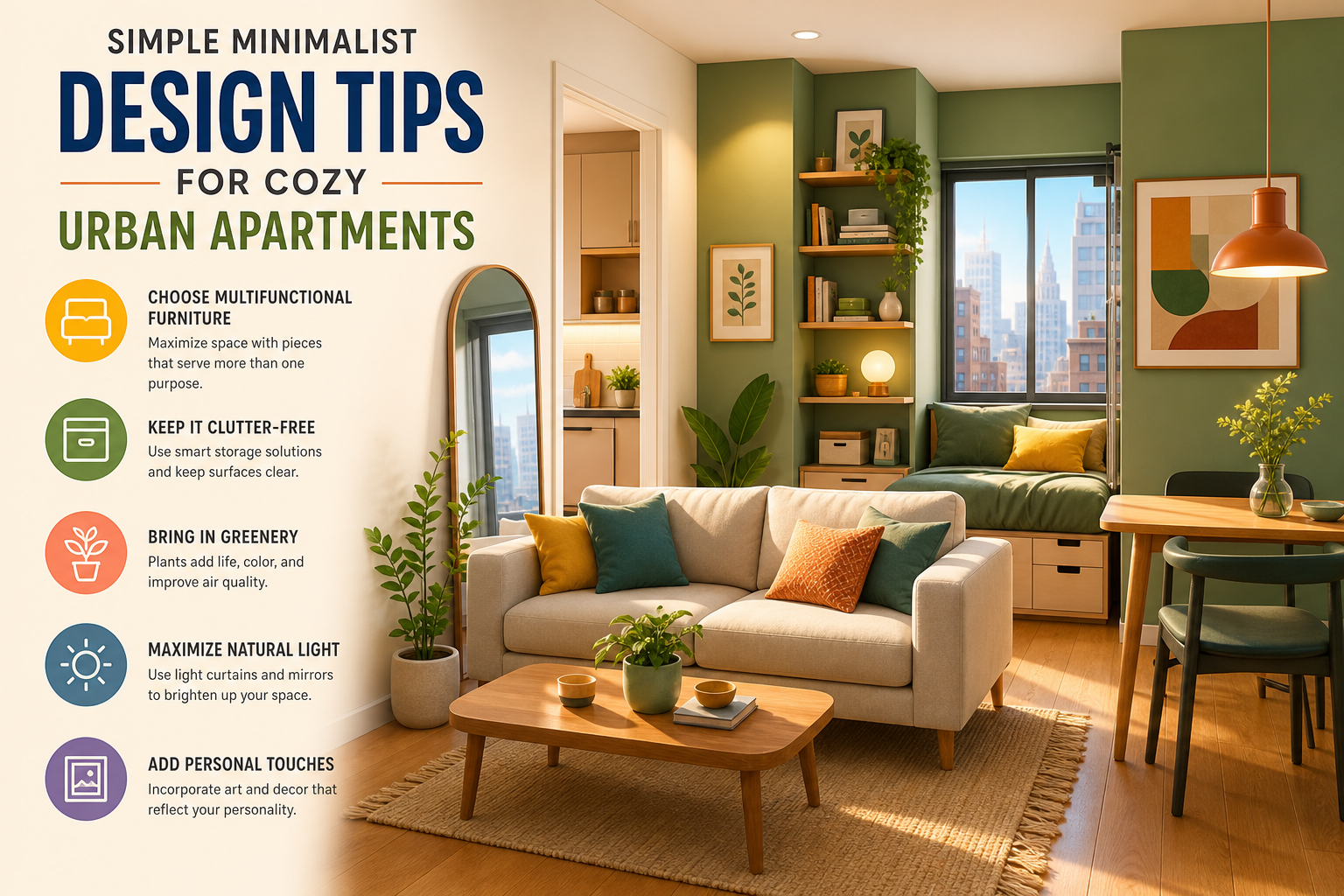
When it comes to furniture, choose pieces that are functional and stylish. Multi-purpose furniture is ideal for small apartments. For example, a sofa bed can serve as both seating and a sleeping area. A coffee table with storage can help keep your living room tidy. Look for furniture that fits the scale of your space. Oversized furniture can make a room feel cramped.
Arranging furniture in a way that promotes flow is also essential. Ensure there is enough space to move around comfortably. Leave pathways clear and avoid blocking windows. Consider the placement of furniture relative to natural light. Position seating to take advantage of sunlight during the day. This strategy can make your apartment feel warmer and more inviting.
Decluttering Your Space
Decluttering is a important step in achieving a minimalist look. Start by removing items you no longer need or use. Go through your belongings and ask yourself if each item brings you joy or serves a purpose. If not, consider donating or selling it. This process can be liberating and will create more space in your apartment.
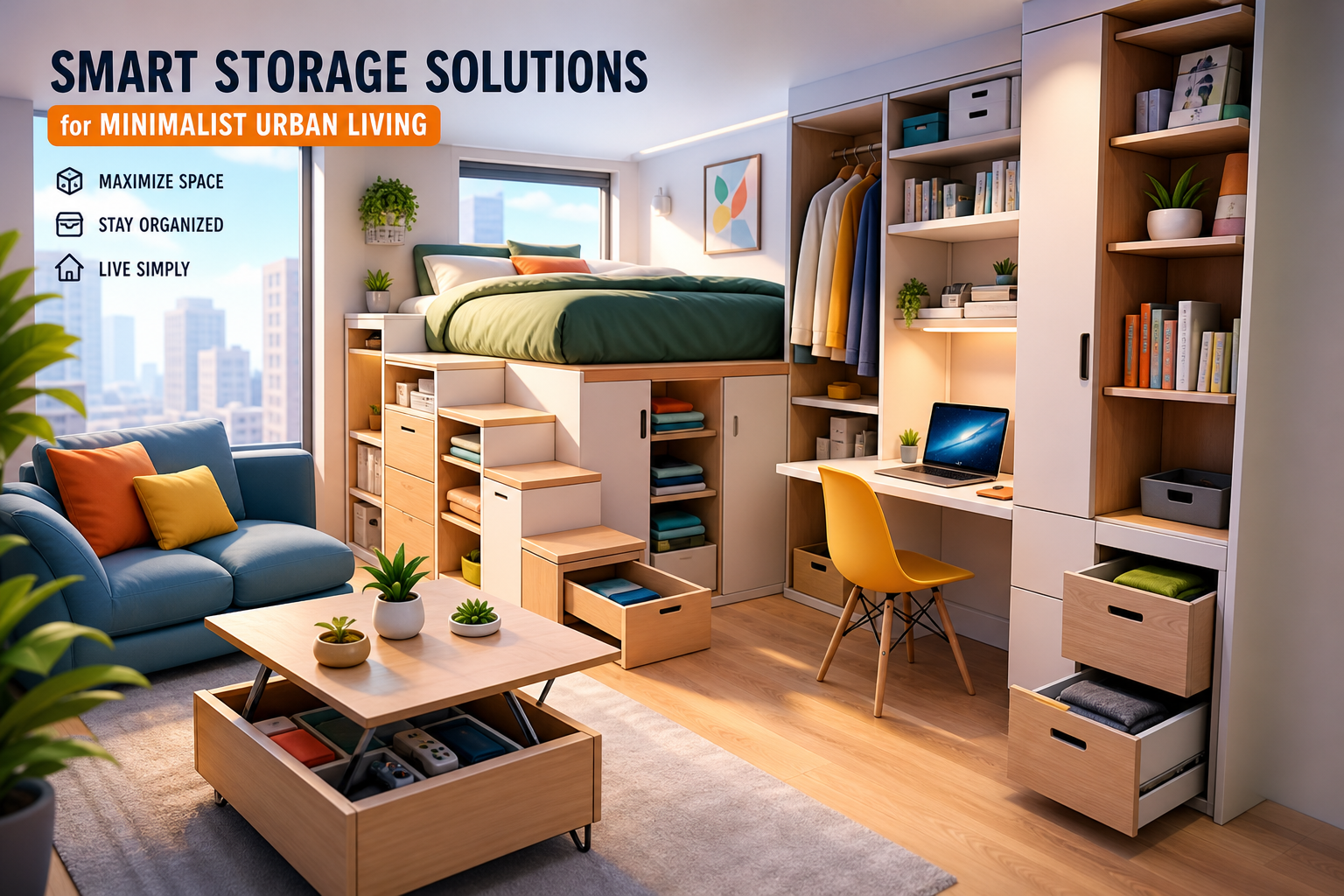
Once you have decluttered, develop a system to keep your space organized. Use storage solutions that blend with your design. For instance, baskets and bins can help conceal items while maintaining a clean look. Label storage containers to make finding things easier. Regularly reassess your belongings to prevent clutter from building up again.
Incorporating Textures and Materials
While minimalist design favors simplicity, adding texture is important for comfort. Soft fabrics and natural materials can create warmth in an otherwise sleek space. Consider using textiles like linen, wool, or cotton for cushions and throws. A wool rug can add softness to a hardwood floor while keeping the design minimal.
Natural materials like wood, stone, and metal can also enhance your apartment’s aesthetic. A wooden coffee table or metal light fixtures can add interest without overwhelming the design. Mixing different textures can make your space feel more inviting. Just remember to keep the overall look balanced and harmonious.
Lighting for Ambiance
Good lighting can transform a space. In minimalist design, lighting should be functional yet stylish. Use a mix of ambient, task, and accent lighting to create a cozy atmosphere. For example, floor lamps can provide soft lighting in living areas, while pendant lights can highlight specific spots like dining tables or kitchen islands.
Consider using dimmable lights to adjust the mood according to the time of day. Natural light is also essential. Keep window treatments light and airy to allow as much natural light in as possible. Plants can help soften harsh light and improve air quality, making your apartment feel more alive.
Adding Personal Touches
While minimalism is about simplicity, it is important to include personal touches that reflect your personality. Artwork and photographs can add character to your space. Choose pieces that resonate with you and complement your color scheme. Consider a gallery wall with a few significant pieces instead of many small ones.
Accessories can also play a role. Display a few well-chosen items, such as books, plants, or decorative bowls. Avoid overcrowding surfaces. Instead, aim for a few meaningful items that tell your story. This balance will keep your space feeling personal while maintaining a minimalist aesthetic.
Maintaining a Minimalist Lifestyle
Finally, to truly embrace minimalist design, consider adopting a minimalist lifestyle. This approach goes beyond your physical space. It involves simplifying your daily routines and commitments. Prioritize what is essential in your life and let go of the rest. This mindset can lead to reduced stress and a more fulfilling life.
Regularly evaluate your belongings and habits. Make a habit of decluttering every few months. This practice will help you maintain a clean and organized space. Remember that minimalism is a journey, not a destination. Each small step you take toward simplicity can lead to a more cozy and enjoyable urban apartment.