
Table of Contents
[Hide]
Understanding Minimalist Design
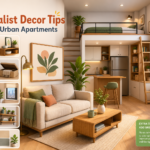
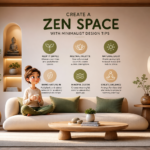
Minimalist design focuses on simplicity and functionality. It is about creating a space that feels open and airy. In urban apartments, where space is often limited, minimalist design is especially beneficial. This approach encourages you to keep only what you need, helping to eliminate clutter. The essence of minimalism is to highlight the beauty of space itself. Instead of filling your apartment with numerous decorations, minimalism promotes a few carefully chosen pieces that make a statement. This can lead to a more peaceful and serene living environment.
Key Takeaways & Quick Overview
- Understanding Minimalist Design: Explore practical strategies and verified recommendations in the section below.
- Choosing the Right Color Palette: Explore practical strategies and verified recommendations in the section below.
- Furniture Selection and Arrangement: Explore practical strategies and verified recommendations in the section below.
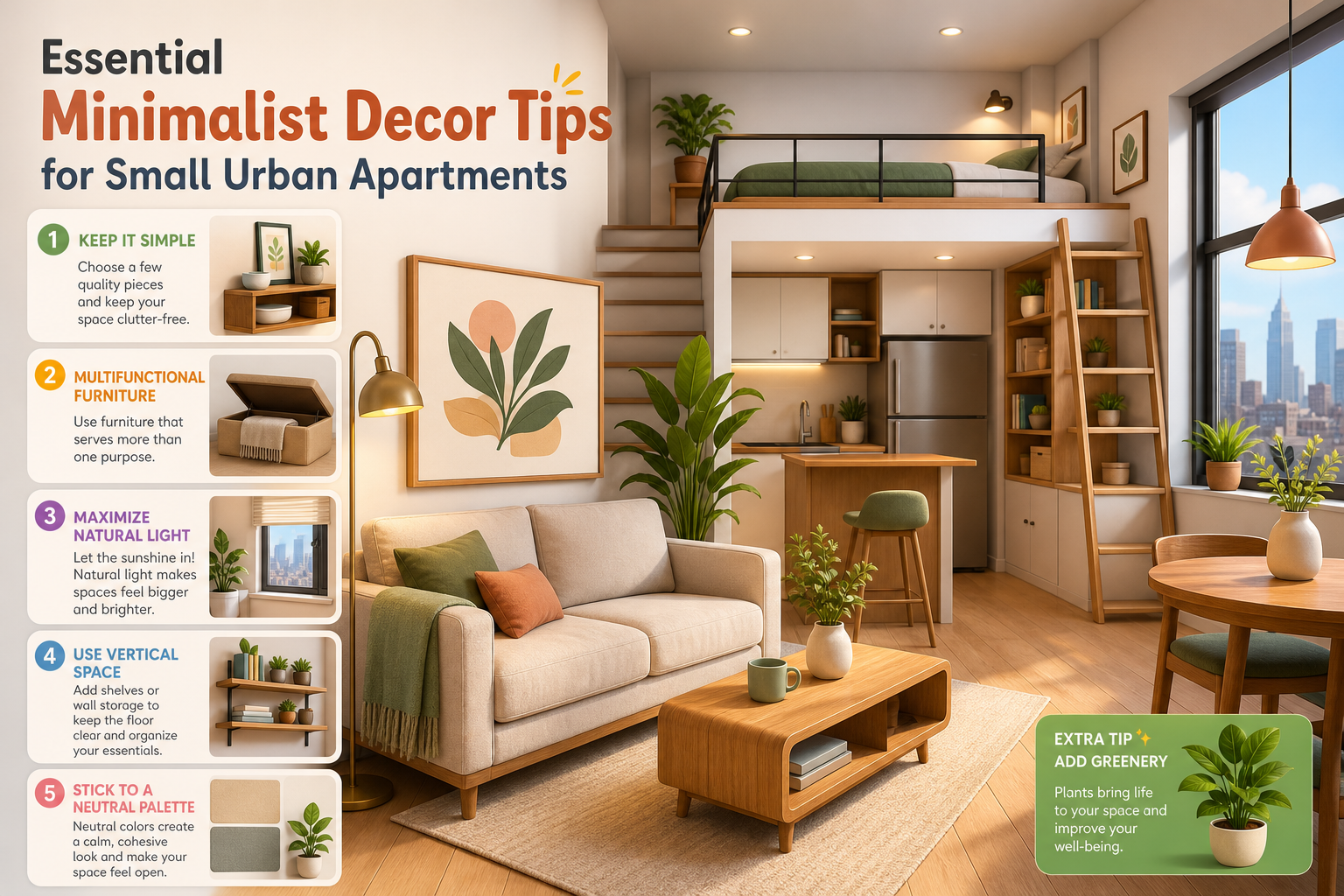
Minimalist design can be achieved through color, furniture, and layout choices. For instance, using a neutral color palette can create a sense of calm. Choosing multifunctional furniture helps maximize space and utility. With these principles in mind, urban dwellers can transform their apartments into efficient and stylish homes.
Choosing the Right Color Palette
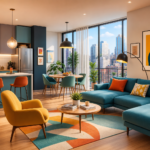
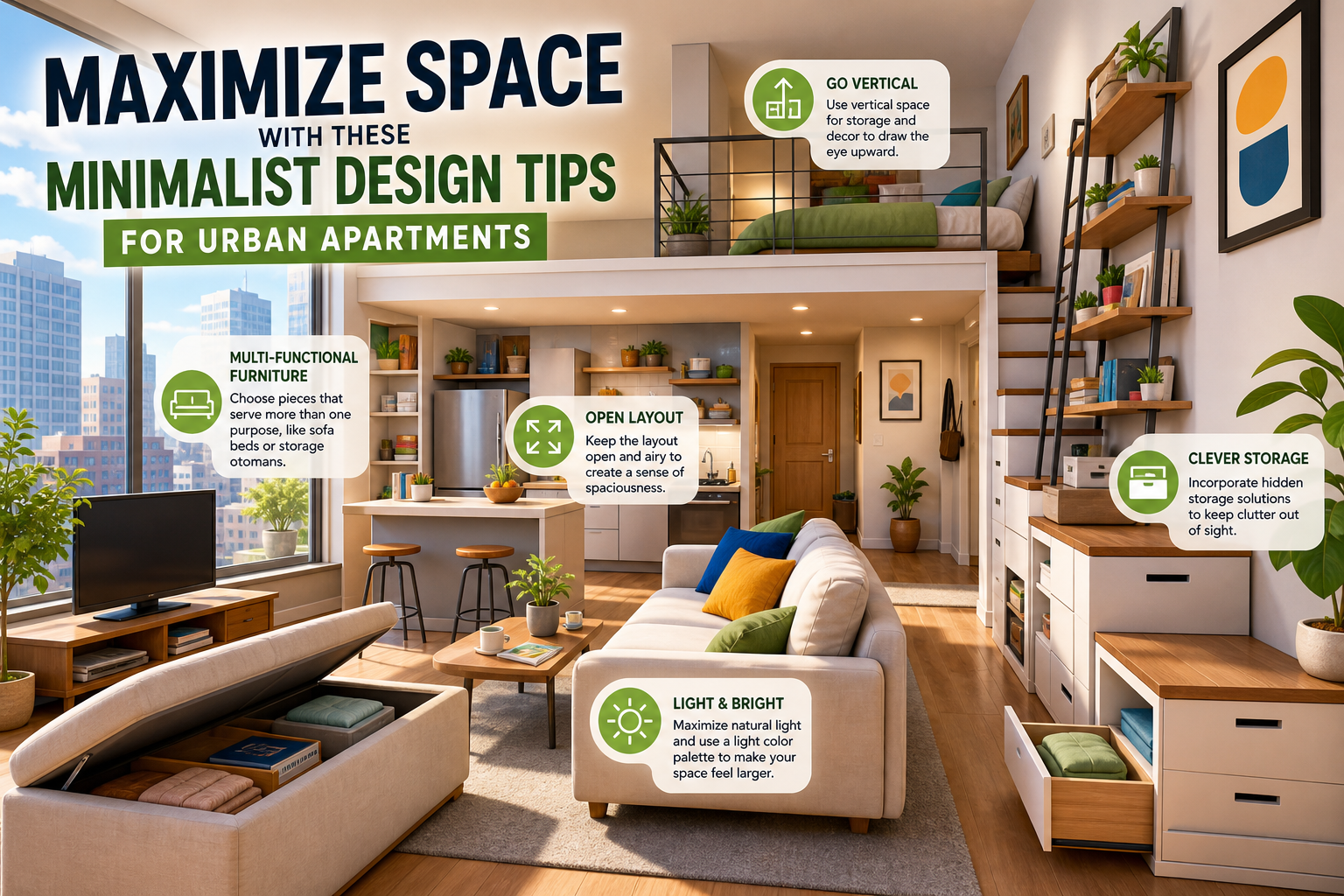
The color palette you choose can greatly impact the perception of space in your apartment. Light colors often make a room feel larger and more open. Soft whites, pale grays, and light beiges are excellent choices for walls. These colors reflect light, making the space feel airy. On the other hand, darker colors can make a room feel cozy but can also make it feel smaller if overused.
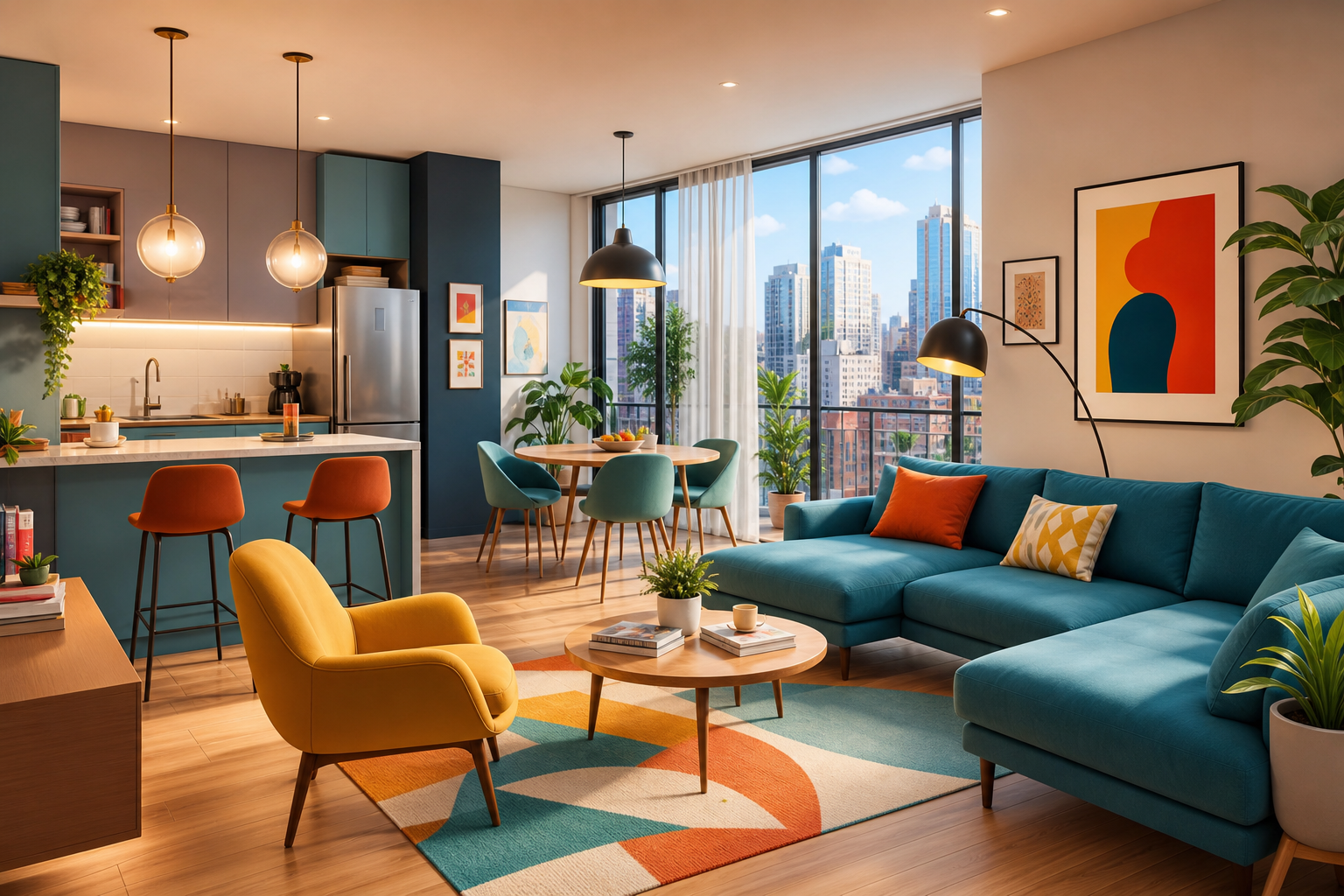
For a minimalist approach, consider using a monochromatic color scheme. This involves using different shades of the same color. For example, various tones of gray can create depth while keeping the overall look cohesive. You can add pops of color through accessories like cushions or artwork. This way, you maintain a clean aesthetic while still adding personality to your space.
Accent walls can also be a great way to introduce color without overwhelming the room. Choose one wall to paint in a bolder color, and keep the rest neutral. This creates a focal point and draws the eye, enhancing the overall design.
Furniture Selection and Arrangement
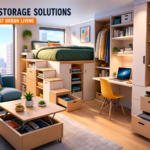
When it comes to minimalist design, the furniture you choose is essential. Select pieces that are functional and stylish. Look for furniture that serves multiple purposes, such as a sofa bed or an ottoman with storage. This helps you maximize the available space in your apartment. Avoid bulky furniture that takes up too much room and makes the area feel cramped.
Arranging your furniture is just as important as selecting it. Aim for a layout that promotes easy movement. Leave enough space between pieces to create a sense of flow. Consider the function of each area. For example, if you have a small dining area, a round table can make it feel more spacious than a rectangular one. Position furniture to create distinct zones within an open floor plan. This helps define spaces for relaxation, dining, and work.
Also, think vertically. Use tall shelves to draw the eye upward, which can make your apartment feel taller. This approach can create an illusion of more space, drawing attention to the height of the room rather than its width.
Utilizing Multi-Functional Decor
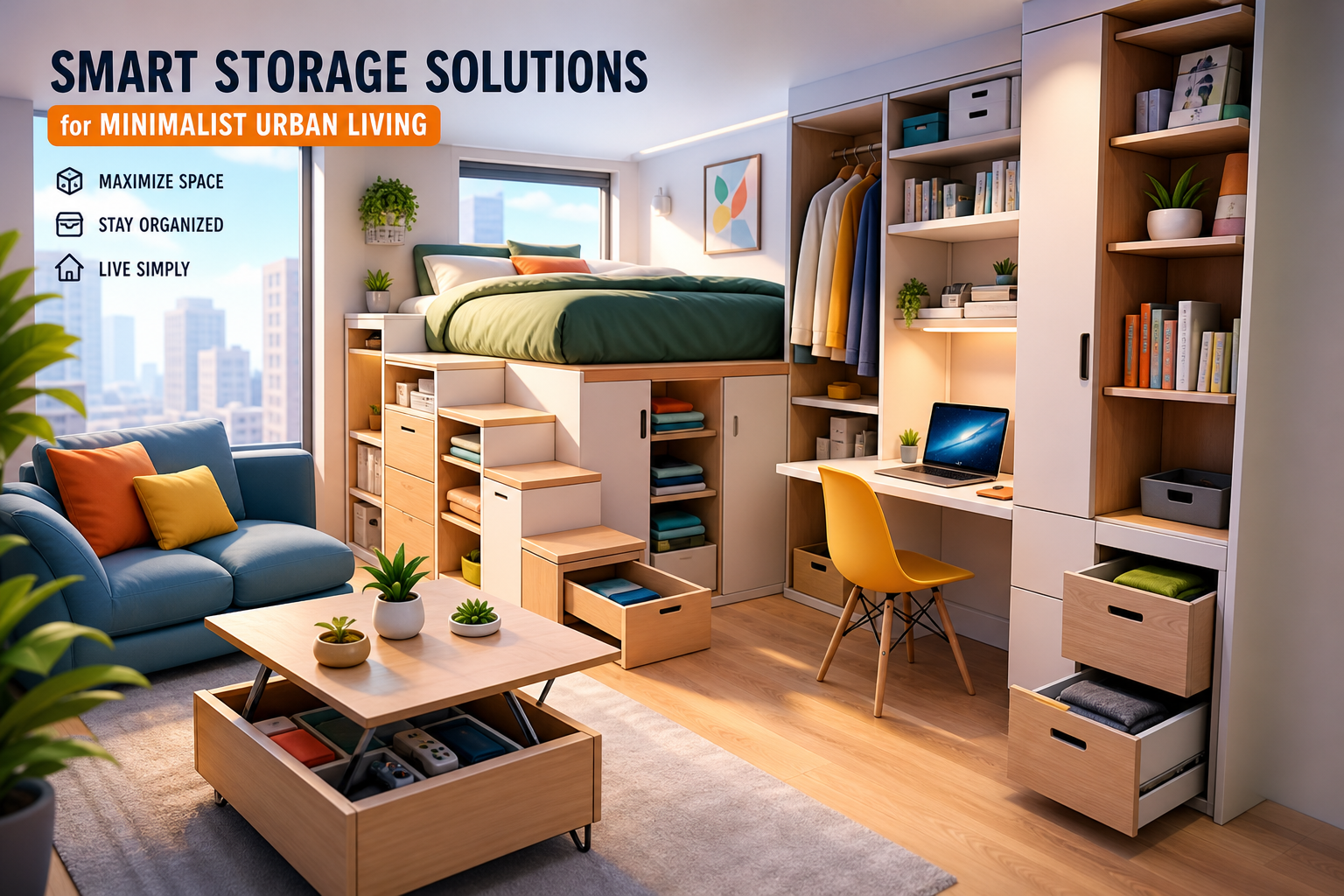
In a minimalist apartment, every item should serve a purpose. This is where multi-functional decor comes into play. Look for decor that offers both style and utility. For example, a stylish coffee table can also provide storage. Some tables come with drawers or hidden compartments, allowing you to keep items organized while maintaining a clean look.
Wall-mounted shelves can also be a great addition. They not only save floor space but also provide an opportunity to display decor items in an organized way. These shelves can hold books, plants, or decorative boxes, adding character without cluttering your space.
Even your lighting can be multifunctional. Consider floor lamps with shelves or lamps that can also serve as side tables. This way, you can reduce the number of separate pieces of furniture in your apartment, keeping the design clean and streamlined.
Incorporating Natural Elements
Bringing natural elements into your urban apartment can soften the minimalist design and make it feel more inviting. Plants are an excellent way to introduce life into your space. They not only purify the air but also add a splash of color and texture. Choose low-maintenance plants like succulents or snake plants if you do not have a green thumb.
In addition to plants, consider using natural materials in your decor. Wood, stone, and bamboo can add warmth to the clean lines of minimalist design. For example, a wooden coffee table or a stone vase can serve as a beautiful focal point.
Textiles also play a role in incorporating natural elements. Use organic fabrics for your cushions and throws. Linen and cotton are great choices that can enhance the overall aesthetic of your apartment. By blending these materials, you can create a calm and harmonious environment.
Decluttering for a Fresh Start
Decluttering is a vital step in embracing minimalist design. Begin by assessing your belongings and deciding what to keep and what to let go of. Ask yourself if each item serves a purpose or brings you joy. If not, consider donating or selling it. This process can be liberating and can significantly change how your apartment feels.
Start small. Focus on one area at a time, such as a closet or a kitchen drawer. Set aside a specific time each week to tackle a different section. It can be helpful to use the “one in, one out” rule. For every new item you bring into your apartment, remove one existing item. This practice helps prevent clutter from building up again.
Once you have decluttered, keep surfaces clear. Use attractive storage solutions to hide away items that you need but do not want on display. Baskets, boxes, and stylish bins can help keep your apartment looking tidy while still providing easy access to your belongings.
Maximizing Light and Space
Light is an essential component of any minimalist design. Natural light can make a small apartment feel much larger. Use sheer curtains to allow sunlight to filter in while maintaining privacy. Avoid heavy drapes that can block light and make the space feel closed off.
In addition to natural light, consider the placement of mirrors. Mirrors can reflect light and create a sense of depth in a room. Placing a large mirror opposite a window can enhance the brightness and make the space appear bigger. Remember to keep the frame simple to maintain the minimalist aesthetic.
Layered lighting is also important. Use a mix of ambient, task, and accent lighting to create a well-lit environment. Pendant lights or wall sconces can add interest without taking up valuable floor space. This approach helps create a warm and inviting atmosphere, making your apartment feel more welcoming.
Creating a Personal Minimalist Style
While minimalism is about simplicity, it is also an opportunity to express your personal style. Choose decor items that reflect who you are. This can include artwork, photographs, or unique finds from your travels. The key is to limit the number of items on display, ensuring that each piece holds significance.
Consider creating a gallery wall with a few carefully selected pieces. This allows you to showcase your personality while keeping the overall look minimal. Choose frames that are uniform in color or style to maintain cohesion. This can create a stunning visual impact without overwhelming the space.
Moreover, keep seasonal changes in mind. You can swap out decor items or textiles to refresh your space. By rotating items, you keep the look fresh and exciting while adhering to minimalist principles. The emphasis should always be on quality over quantity, making sure each item contributes to the overall design.