
Table of Contents
[Hide]
- Understanding Minimalism in Home Design
- Choosing the Right Plants for Your Space
- Creating a Plant Care Routine
- Utilizing Vertical Space for Plant Display
- Choosing the Right Containers
- Integrating Plants into Your Decor
- Seasonal Plant Care Tips
- Common Mistakes to Avoid
- Finding Inspiration and Ideas
- Conclusion: Cultivating a Green Minimalist Space
Understanding Minimalism in Home Design
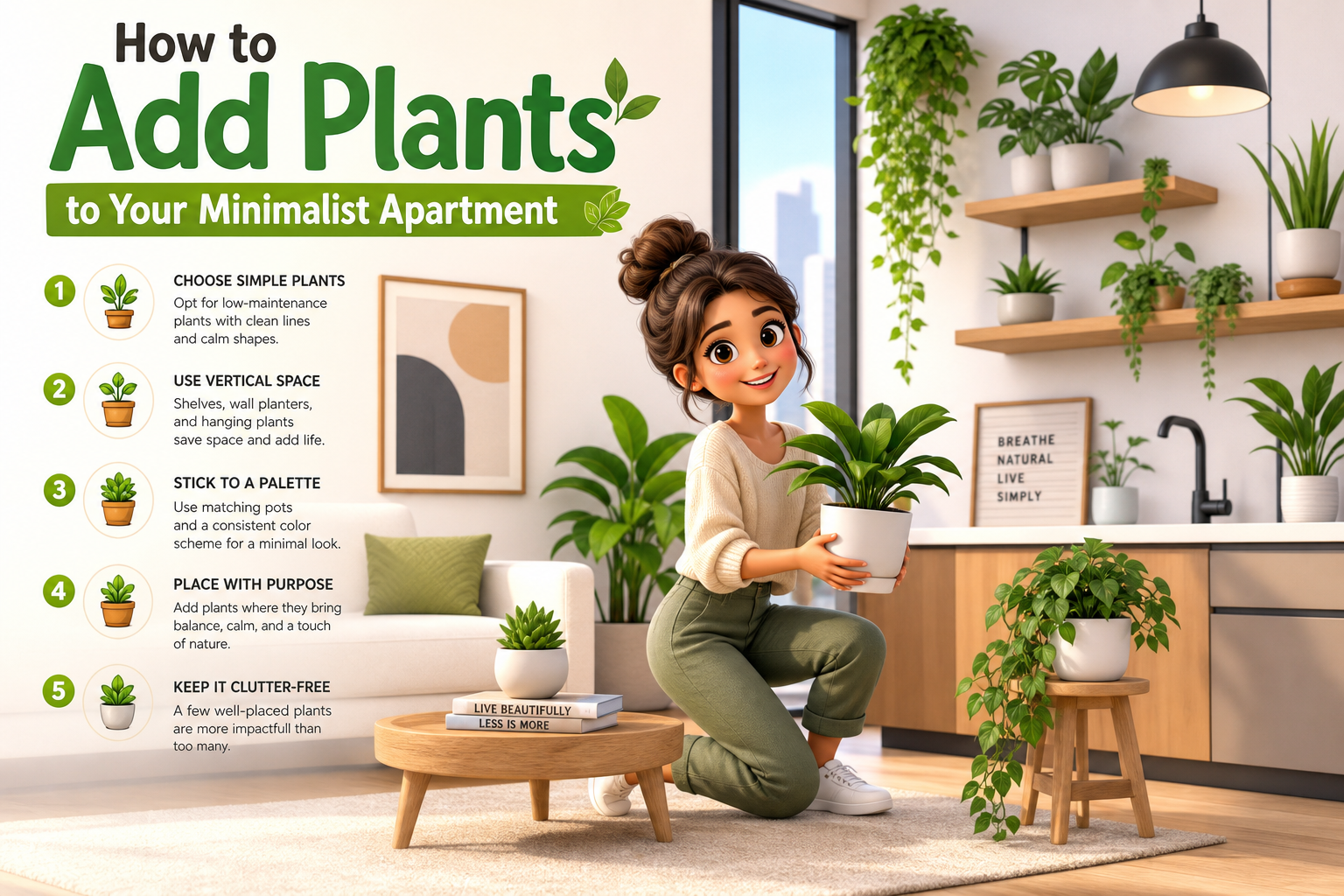
Minimalism focuses on simplicity and clarity. It means using less to achieve more. In a minimalist apartment, you might see clean lines, neutral colors, and open spaces. The goal is to create a peaceful environment. But how do plants fit into this style? Plants add life and warmth, breaking the starkness of minimalist design. They introduce color and texture without cluttering the space. For instance, a single green succulent on a simple table can draw the eye without overwhelming the room.
Key Takeaways & Quick Overview
- Understanding Minimalism in Home Design: Explore practical strategies and verified recommendations in the section below.
- Choosing the Right Plants for Your Space: Explore practical strategies and verified recommendations in the section below.
- Creating a Plant Care Routine: Explore practical strategies and verified recommendations in the section below.
When adding plants to a minimalist apartment, consider their purpose. Are you looking for decoration, air purification, or a sense of calm? Each plant has unique qualities. Some are easier to care for, while others can thrive in low light. Understanding these aspects will help you choose the right plants for your space.
Choosing the Right Plants for Your Space
Not all plants are suitable for every apartment. Factors such as light, humidity, and space size are important. For a bright space, consider sun-loving plants like snake plants or pothos. These plants are hardy and require minimal care. If your apartment lacks sunlight, opt for low-light plants like peace lilies or ZZ plants. They can thrive in dim conditions while still adding beauty.
Also, think about the size of your apartment. Large plants can dominate a small space, making it feel cramped. Instead, choose smaller plants or hanging varieties. A small shelf can hold several tiny pots, creating a lovely green display without taking up much room. Remember, the idea is to enhance your minimalist aesthetic, not to clutter it.
Creating a Plant Care Routine
Once you choose your plants, establishing a care routine is essential. Regular watering, dusting leaves, and checking for pests keeps your plants healthy. Different plants have different needs. For example, succulents need watering every few weeks, while ferns may require more frequent care. It is helpful to research your specific plants.
To simplify care, you can set reminders on your phone. This way, you will not forget watering or fertilizing. Also, invest in a simple watering can and some plant food. These tools can make plant care easier. Keeping your plants healthy not only enhances your apartment’s beauty but also improves your mood.
Utilizing Vertical Space for Plant Display
In a minimalist apartment, floor space can be limited. Vertical space offers a smart solution for displaying plants. Wall-mounted shelves are perfect for showcasing small pots. You can arrange them in a stylish way, adding depth to your walls. Hanging planters are another great option. They draw the eye upward, creating an illusion of height.
Consider using a plant ladder or a tiered plant stand. This allows you to display several plants in one area without taking up too much room. Use your creativity to create unique arrangements. Mixing different plant sizes and shapes can add interest while maintaining a clean look.
Choosing the Right Containers
The containers you select can greatly affect the overall look of your apartment. In a minimalist space, opt for simple, neutral pots. White ceramic or matte black containers offer a sleek look that complements the minimalist style. Clear glass pots can also work well, allowing the beauty of the roots to show.
Avoid overly decorative pots. They can clash with the simplicity of your design. Instead, look for clean lines and understated elegance. If you want to add a pop of color, choose one or two accent pots that can stand out without overwhelming the space. Remember, your containers should enhance your plants, not distract from them.
Integrating Plants into Your Decor
Plants should blend seamlessly into your apartment decor. Place them on surfaces that are already part of your design. For instance, a plant on a coffee table or a side table can create a focal point. If your apartment has large windows, consider placing plants there. They will benefit from natural light while enhancing the view.
Incorporating plants into your decor can also mean using them as statement pieces. A tall plant, like a rubber tree, can fill an empty corner beautifully. This adds life to an area that might otherwise feel bare. Use plants to create balance in your space. If one side feels heavier with furniture, place a plant on the opposite side to even it out.
Seasonal Plant Care Tips
As the seasons change, so do the needs of your plants. During the winter months, indoor heating can dry out the air. This can be tough on many plants. To combat this, consider using a humidifier or placing a tray of water near your plants. This adds moisture to the air, helping your plants thrive.
In spring and summer, many plants grow more actively. They may need more water and nutrients during this time. Regularly check soil moisture and adjust your watering schedule accordingly. Fertilizing in these seasons can promote healthy growth. Always choose a fertilizer that suits your specific plants.
Common Mistakes to Avoid
Even experienced plant owners can make mistakes. One common error is overwatering. It is easy to think that more water is better, but many plants prefer to dry out between waterings. This can lead to root rot, which is often fatal. Always check the soil before watering.
Another mistake is placing plants in unsuitable lighting conditions. Pay attention to your plant’s specific light needs. Some thrive in direct sunlight, while others prefer shade. Lastly, avoid cramming too many plants into one space. This can create clutter and take away from the minimalist vibe you want to maintain.
Finding Inspiration and Ideas
Looking for inspiration to style your plants? Social media platforms like Instagram and Pinterest are great resources. You can search for minimalist apartment designs featuring plants to see how others incorporate greenery. This can spark your creativity and provide new ideas for your own space.
Visit botanical gardens or local plant shops to see different species in person. This can help you choose plants that resonate with your style. You can also join online plant communities for tips and advice. Sharing your experiences with others can help you learn and grow as a plant owner.
Conclusion: Cultivating a Green Minimalist Space
Adding plants to your minimalist apartment can enhance its beauty and create a welcoming atmosphere. By choosing the right plants, establishing a care routine, and integrating them into your decor, you can transform your space. Remember to keep it simple and let the plants breathe life into your home. Take your time to experiment and find what works best for you. Embracing greenery in a minimalist setting is not just about aesthetics; it can also promote well-being and a sense of peace in your living environment.