


Table of Contents
[Hide]
- Understanding Minimalist Kitchen Design
- Key Elements of a Minimalist Kitchen
- Decluttering Your Kitchen
- Choosing the Right Materials
- Functional Layouts for Small Spaces
- Incorporating Smart Technology
- Maximizing Storage Solutions
- Designing a Functional Work Area
- Personalizing Your Minimalist Kitchen
- Maintaining Your Minimalist Kitchen
Understanding Minimalist Kitchen Design
Minimalist kitchen design focuses on simplicity and functionality. The goal is to create a space that is clean, uncluttered, and efficient. In a minimalist kitchen, every item serves a purpose. This design style emphasizes open spaces and light colors, allowing the kitchen to feel larger and more inviting. Minimalism is not just about reducing items; it is about enhancing usability. By choosing the right tools and materials, you can create a kitchen that is both beautiful and functional. Think about how you use your kitchen daily, and consider what you truly need to make it work better for you.
Key Takeaways & Quick Overview
- Understanding Minimalist Kitchen Design: Explore practical strategies and verified recommendations in the section below.
- Key Elements of a Minimalist Kitchen: Explore practical strategies and verified recommendations in the section below.
- Decluttering Your Kitchen: Explore practical strategies and verified recommendations in the section below.
Key Elements of a Minimalist Kitchen
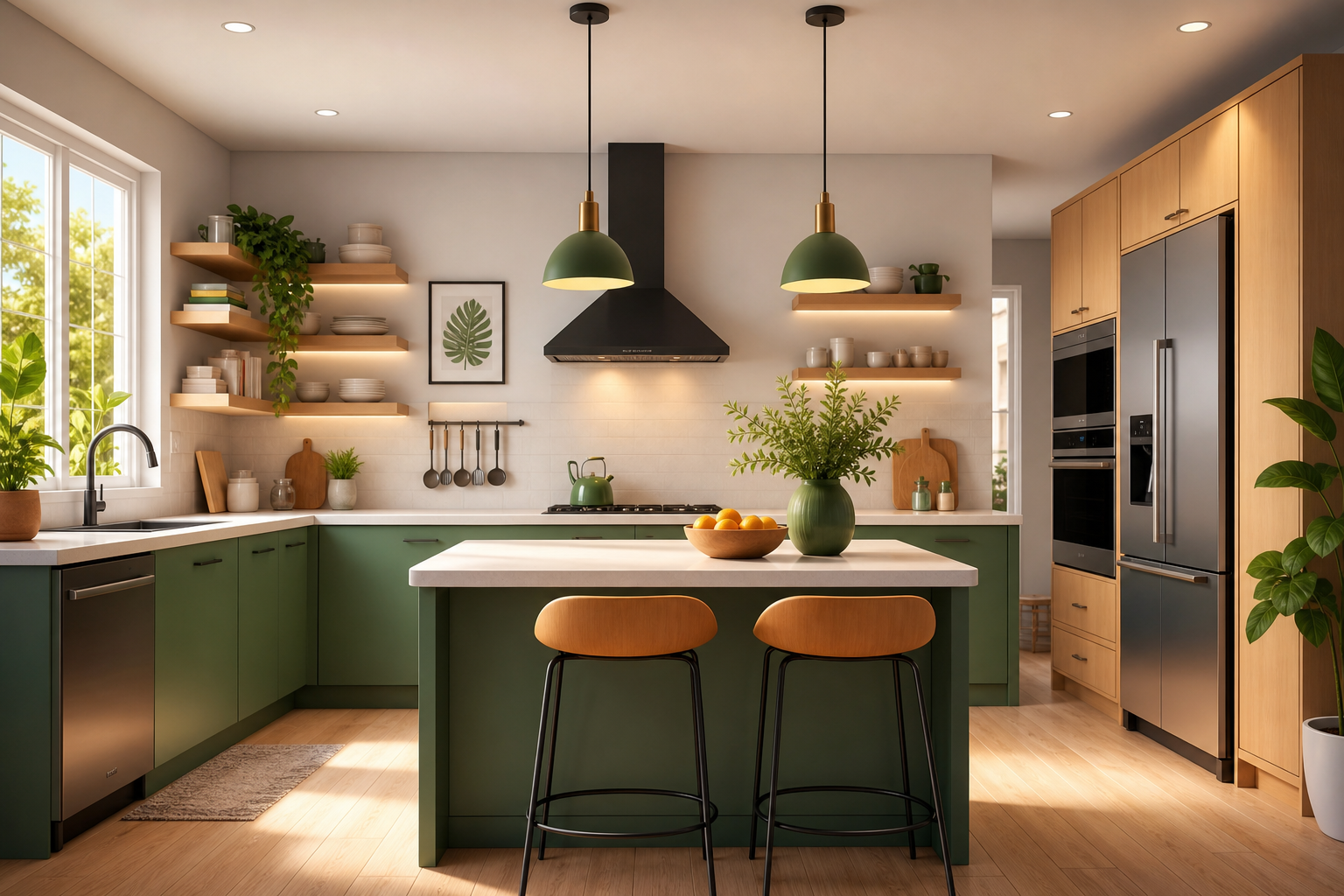
A minimalist kitchen often includes specific elements that enhance its design. First, consider using neutral color palettes. Whites, grays, and soft pastels create a calming atmosphere. Second, focus on open shelving or cabinets with clean lines. This gives the illusion of more space. Third, choose multifunctional appliances. For example, a microwave that also functions as a convection oven can save space. Additionally, select simple fixtures, such as sleek faucets and handles. These small details contribute to the overall minimalist aesthetic. Lastly, lighting plays an essential role. Natural light is best, so keep windows clear of heavy curtains. This will make your kitchen feel airy and open.
Decluttering Your Kitchen
Decluttering is a vital step in creating a minimalist kitchen. Start by removing everything from your cabinets and drawers. This allows you to see what you have. Next, categorize items into three groups: keep, donate, and discard. Keep only the items you use regularly. For example, if you have several mixing bowls but only use one, consider donating the extras. Once you have decluttered, organize the remaining items. Use drawer organizers to keep utensils in order. Store pots and pans together, and group similar items. This will help you find what you need quickly. Remember, the goal is to create a space that is easy to maintain and use.
Choosing the Right Materials
The materials you choose for your minimalist kitchen can greatly affect its overall look and feel. Opt for high-quality materials that are durable and easy to clean. For countertops, consider quartz or granite. These materials are not only stylish but also long-lasting. For cabinets, materials like plywood with a smooth finish work well. They provide a modern look and are very functional. When it comes to flooring, bamboo or polished concrete can enhance the minimalist vibe. These surfaces are easy to maintain and can withstand heavy foot traffic. Be mindful of the textures and colors you select, as they can create a cohesive appearance.
Functional Layouts for Small Spaces
When working with a small kitchen, a functional layout is essential. The most common layout for small spaces is the galley kitchen. This design features two parallel counters with a walkway in between. It maximizes space while providing easy access to all areas. Another option is the L-shaped layout, which uses two adjacent walls. This design allows for more open space and can accommodate an island if desired. No matter the layout you choose, ensure that the work triangle is efficient. This triangle connects the sink, stove, and refrigerator. Keeping these areas within close reach will make cooking more enjoyable and efficient.
Incorporating Smart Technology
In 2026, smart technology is an important part of a functional kitchen. Smart appliances can make cooking easier and more efficient. For example, smart ovens can be controlled via smartphone apps. This means you can preheat your oven while still at the grocery store. Additionally, smart refrigerators can help you keep track of food inventory. They can notify you when items are running low. Consider investing in smart lighting as well. Voice-activated lights can change brightness based on your needs. Integrating these technologies can greatly improve your kitchen experience. Technology should enhance your space, making it more convenient for everyday use.
Maximizing Storage Solutions
In a minimalist kitchen, maximizing storage is key to maintaining a clean look. Use vertical space by installing shelves above counters. This keeps items easily accessible while freeing up counter space. Drawer dividers are another excellent option for organizing utensils and tools. Consider using pull-out cabinets for pots and pans, making them easier to reach. Magnetic strips can hold knives and metal utensils, keeping them off the counter. If possible, use furniture that doubles as storage, such as an island with cabinets underneath. Every inch of space should work toward keeping your kitchen tidy and functional. Proper storage solutions will make your kitchen feel larger and more organized.
Designing a Functional Work Area
A functional work area is essential in a minimalist kitchen. This space should allow you to prep meals easily. Start by selecting an adequate countertop material that is easy to clean. Ensure there is enough space for cutting boards and food preparation. If possible, include a small island for additional workspace. This can also serve as a dining area. Make sure to keep this area well-lit. Task lighting is essential for safety during meal prep. Also, keep frequently used items within reach. This includes knives, cutting boards, and mixing bowls. A well-designed work area will make cooking enjoyable and efficient.
Personalizing Your Minimalist Kitchen
While a minimalist kitchen focuses on simplicity, personal touches can make the space feel inviting. Use decor that reflects your style, such as a few plants or artwork. Choose items that are functional and beautiful, like colorful dishware or unique cutting boards. These personal items can add warmth without creating clutter. Remember, the goal is to maintain the minimalist look while still feeling like home. You can also consider seasonal decor that can be easily changed. This keeps the kitchen fresh and engaging without overwhelming it. Personalization should enhance the space, making it a reflection of you.
Maintaining Your Minimalist Kitchen
Maintaining a minimalist kitchen is easier when you have good habits. Regular cleaning is essential. Set aside time each week to wipe down surfaces and organize items. When you bring new items into the kitchen, consider removing old ones. This helps prevent clutter from building up. Additionally, create a cleaning schedule for appliances and surfaces. This will keep everything in good condition. Encourage family members to keep the kitchen tidy as well. Make it a shared responsibility. With regular upkeep, your minimalist kitchen will remain functional and beautiful. A clean space is essential for enjoying cooking and gathering.
In conclusion, creating a functional kitchen with a minimalist design is achievable with thoughtful planning and execution. By focusing on simplicity, organization, and personalization, you can turn your kitchen into a space that is both stylish and efficient. Remember, the key is to keep only what you need and ensure every item has a purpose. With these tips, your minimalist kitchen will be a joy to use and a pleasure to be in.