






Table of Contents
[Hide]
- Introduction to Minimalist Lighting Ideas
- Understanding Minimalism in Lighting
- Types of Minimalist Lighting Fixtures
- Layering Lighting for Small Spaces
- Color Temperature in Minimalist Lighting
- Incorporating Smart Lighting Solutions
- Using Mirrors to Enhance Lighting
- Accent Lighting Techniques
- Creating a Cohesive Lighting Design
- Conclusion: Embracing Minimalism in Urban Lighting
Introduction to Minimalist Lighting Ideas
Minimalist lighting ideas are essential for small urban spaces. These ideas focus on simplicity and functionality while also enhancing the overall aesthetic. When you live in a small area, every design element matters. Proper lighting can make a cramped space feel larger and more inviting. In 2026, the trend for minimalism has only grown, with many people looking for ways to simplify their lives. Lighting plays a important role in achieving that simplicity. This article explores various minimalist lighting ideas, techniques, and products that can help you create a warm and welcoming environment.
Key Takeaways & Quick Overview
- Introduction to Minimalist Lighting Ideas: Explore practical strategies and verified recommendations in the section below.
- Understanding Minimalism in Lighting: Explore practical strategies and verified recommendations in the section below.
- Types of Minimalist Lighting Fixtures: Explore practical strategies and verified recommendations in the section below.
Understanding Minimalism in Lighting
Minimalism in lighting emphasizes clean lines, uncluttered spaces, and functionality. It avoids ornate designs and focuses on essential features. This approach can help maximize space and create a serene atmosphere. For example, consider using pendant lighting that hangs down but is sleek in design. Such fixtures do not overwhelm the space. Instead, they provide necessary light while maintaining a light and airy feel. This style aligns well with the contemporary urban lifestyle, where space is limited. By adopting minimalist lighting, you can achieve a modern look without compromising on brightness or warmth.
Key Principles of Minimalist Lighting
There are key principles to follow when choosing minimalist lighting. First, focus on functionality. The lights you choose should serve a purpose, whether that is illuminating a workspace or creating ambiance in a living area. Second, opt for neutral colors. Whites, grays, and soft pastels often work best. They reflect light well and create a feeling of openness. Third, consider the materials used in your lighting fixtures. Metal, glass, and wood are popular choices. They are durable and easy to maintain, fitting perfectly into minimalist design.
Types of Minimalist Lighting Fixtures
When it comes to minimalist lighting fixtures, there are several options to consider. Each type serves a specific purpose and can enhance your small urban space. Ceiling-mounted fixtures are one popular option. They provide broad illumination and do not take up floor space. Wall sconces are another excellent choice. They add light without cluttering your living area. Lastly, floor lamps can offer adjustable lighting for reading or relaxing. Choosing the right fixture depends on your needs and the layout of your space.
Pendant Lights
Pendant lights are a favorite in many minimalist designs. They hang from the ceiling and can provide focused light in specific areas. For example, if you have a small kitchen island, a single pendant light can be both functional and stylish. Choosing a pendant with a simple design will prevent it from overwhelming the space. Look for fixtures made from materials like steel or glass to maintain a clean look. Because they come in various sizes, you can easily find one that fits your needs.
Layering Lighting for Small Spaces
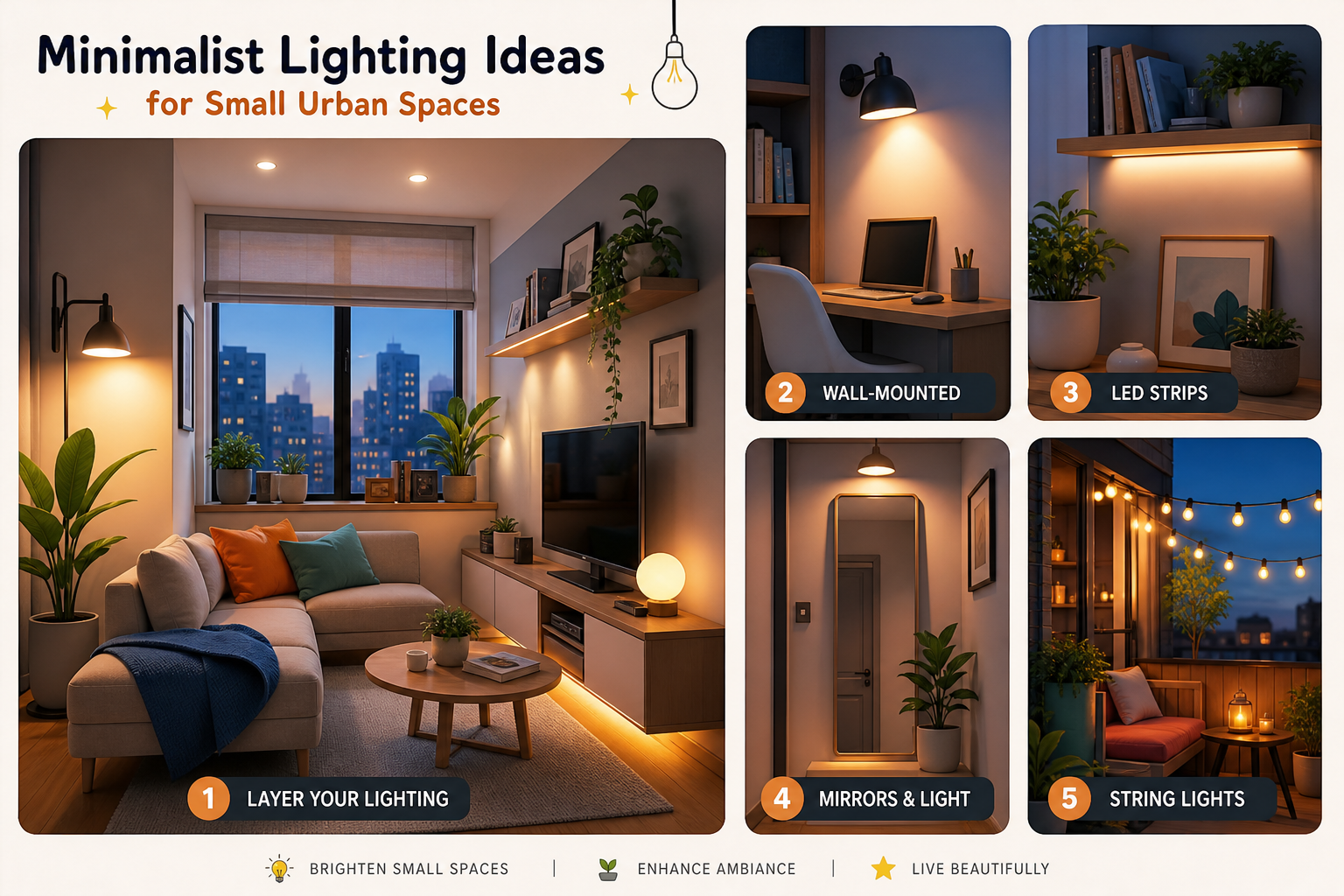
Layering lighting is a technique that involves combining different types of light sources. This method can create depth in a small space while maintaining a minimalist aesthetic. Start with ambient lighting, which serves as the primary source of light. Consider ceiling fixtures or recessed lights for this layer. Next, add task lighting for specific areas, such as a desk or reading nook. Table lamps or wall-mounted lights are ideal for this purpose. Finally, incorporate accent lighting to highlight artwork or architectural features. This layering creates a harmonious balance and enhances the overall design.
Practical Examples of Layered Lighting
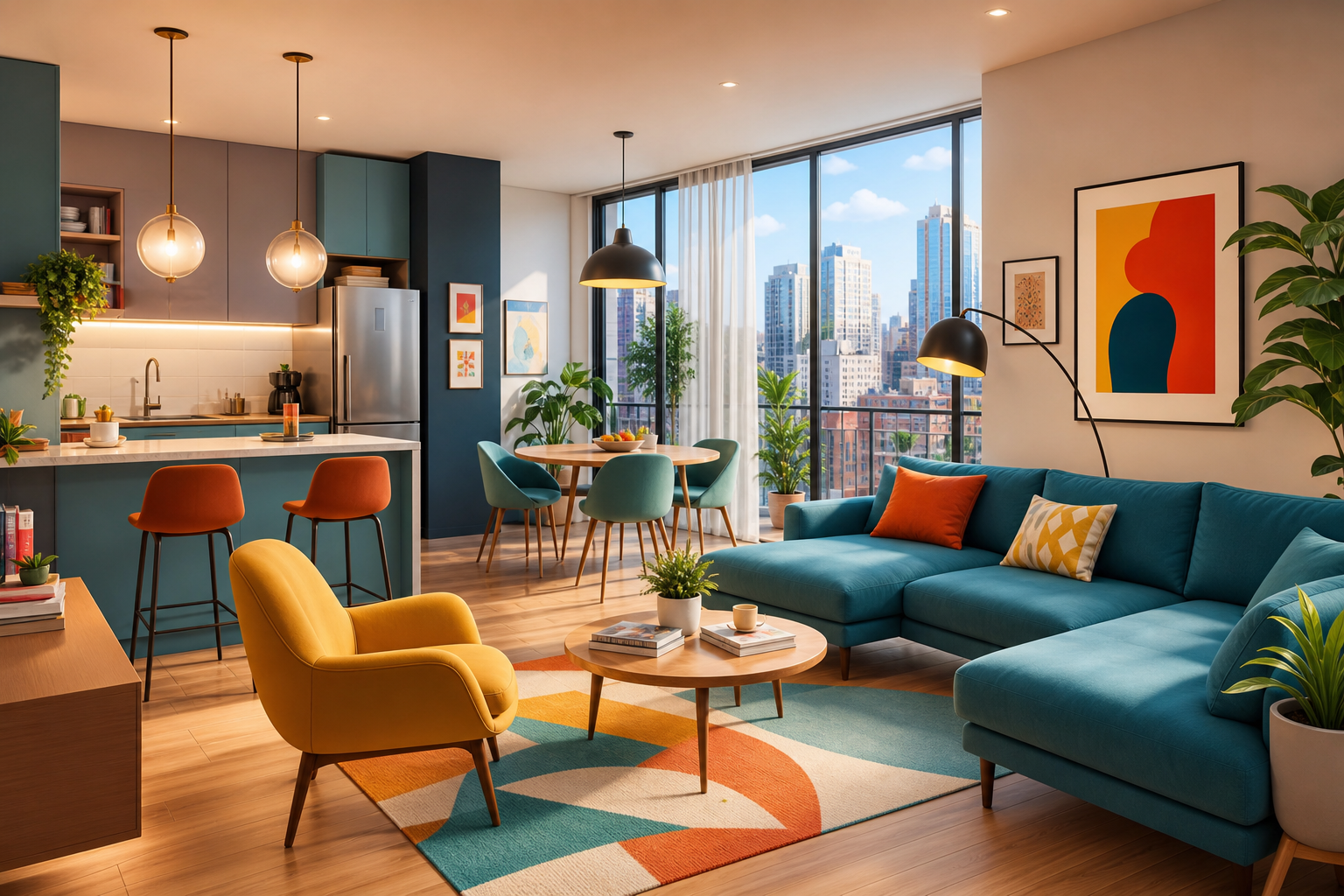
Imagine a small living room with a ceiling fixture providing overall illumination. Add a floor lamp next to a cozy chair to create a reading area. Finally, place a small spotlight on a piece of artwork to draw attention. This combination offers functionality while keeping the space open and airy. By using different light sources, you not only enhance visibility but also create a more inviting atmosphere. Layering is especially beneficial in small urban environments where every detail counts.
Color Temperature in Minimalist Lighting
Color temperature is a important aspect of lighting design. It refers to the warmth or coolness of the light. For minimalist spaces, a warm white light is often preferred. This type of light creates a cozy and inviting environment. Look for bulbs with a color temperature around 2700K to 3000K. These bulbs mimic the glow of traditional incandescent light. Using warm light can make small spaces feel larger and more welcoming. In contrast, cooler light temperatures can feel harsh and uninviting.
Choosing the Right Bulbs
Selecting the right bulbs is vital for achieving the desired ambiance. LED bulbs are a popular choice for many minimalist designs. They are energy-efficient and have a long lifespan, making them practical for urban living. Additionally, LED bulbs come in various color temperatures. This variety allows you to customize the lighting according to your preferences. When purchasing bulbs, consider the lumens as well. Higher lumens mean brighter light, which is important in smaller spaces where every bit of light counts.
Incorporating Smart Lighting Solutions
Smart lighting solutions are becoming increasingly popular in 2026. These systems offer convenience and flexibility, fitting perfectly into a minimalist lifestyle. With smart bulbs, you can control brightness and color temperature using your smartphone or voice commands. This flexibility allows you to adjust the lighting according to your mood or activity. For example, you can set a warm glow for relaxation or brighter light for work. Moreover, smart lighting can help save energy. You can schedule lights to turn off when not needed, which contributes to a more sustainable lifestyle in urban settings.
Popular Smart Lighting Options
In 2026, many brands offer smart lighting solutions. Philips Hue is a well-known option, providing a wide range of bulbs and fixtures. Another great choice is LIFX, which offers vibrant colors and easy setup. Both brands allow for customization and integration with other smart home devices. When selecting smart lighting, consider compatibility with your existing home automation system. This ensures a seamless experience when controlling your lights.
Using Mirrors to Enhance Lighting
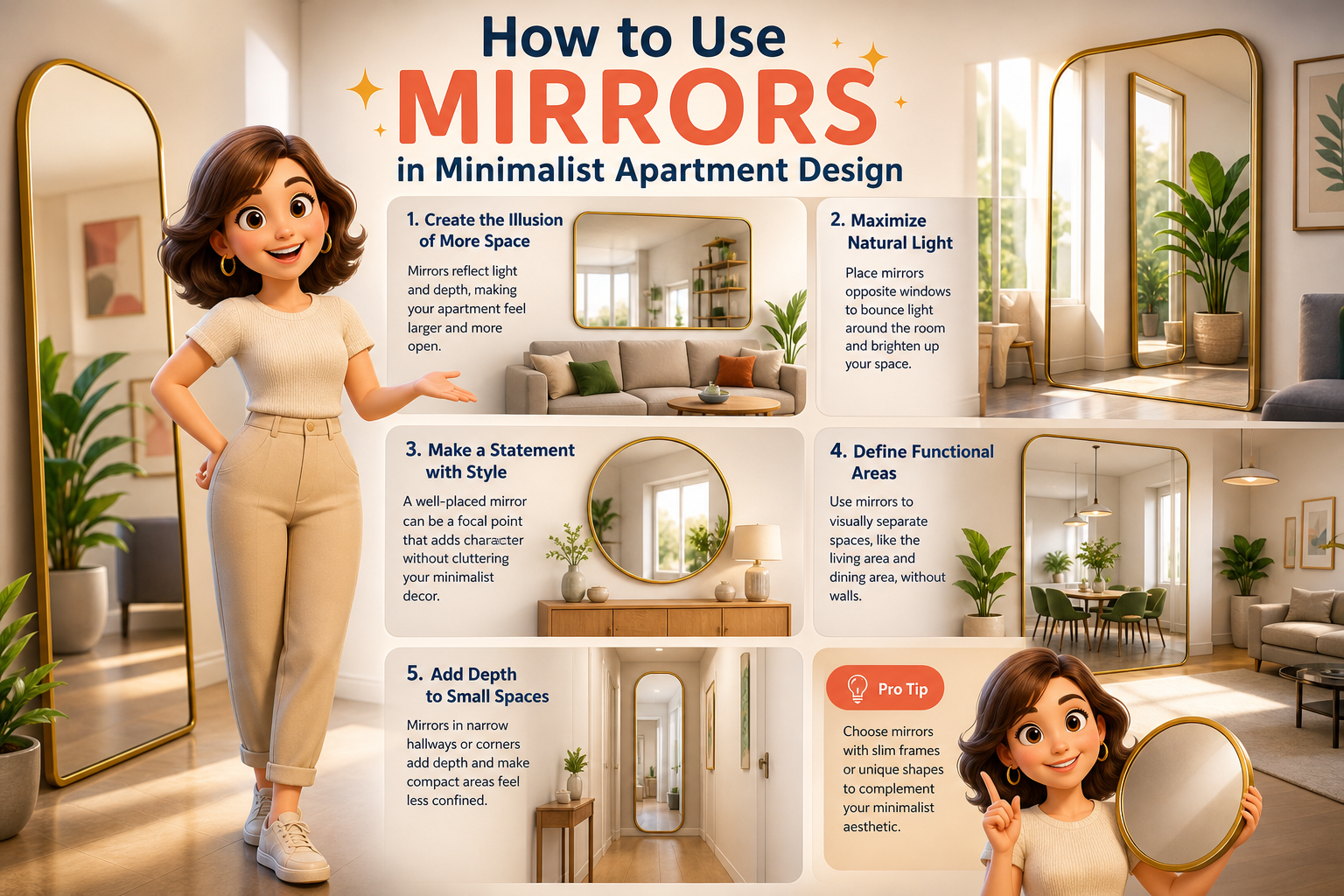
Mirrors are a fantastic tool for enhancing lighting in small urban spaces. They reflect light, making a room feel brighter and more spacious. By strategically placing mirrors, you can amplify both natural and artificial light. For instance, a large mirror opposite a window can double the amount of light in the room. Additionally, mirrored furniture can also help bounce light around the space. This effect is particularly beneficial in small apartments where every inch matters.
Creative Ways to Use Mirrors
When using mirrors, consider their shape and size. A tall, narrow mirror can create the illusion of height, while a wide mirror can expand the view. Hanging mirrors at different heights can also create an interesting focal point. In 2026, many designs feature unique shapes that can add character to your space. Try incorporating mirrors into your lighting design by placing sconces or pendant lights near them. This combination enhances the light and adds visual interest.
Accent Lighting Techniques
Accent lighting can enhance the overall design of your small urban space. This type of lighting emphasizes certain areas or features, adding depth to your minimalist design. For example, you can use LED strip lights to highlight shelves or architectural elements. Alternatively, spotlights can focus on artwork or décor. The key is to use accent lighting sparingly to maintain the minimalist theme. Too much accent lighting can lead to clutter and distract from the overall design.
Implementing Accent Lighting
Begin by identifying focal points in your space. This could be a piece of art, a unique piece of furniture, or an architectural feature. Once you have determined the focal points, choose appropriate lighting solutions. For instance, a small spotlight can effectively highlight a painting. Alternatively, a well-placed LED strip can illuminate a shelving unit. Be mindful of the brightness to ensure it complements the overall lighting scheme without overpowering it.
Creating a Cohesive Lighting Design
Creating a cohesive lighting design is vital in small urban spaces. All lighting elements should work together to enhance the overall aesthetic. Start by establishing a color palette that aligns with your minimalist theme. Choose fixtures that share similar materials or finishes to create a unified look. For example, if you have a metal pendant light, consider using metal wall sconces. This approach creates harmony in the space and prevents visual clutter.
Practical Tips for Cohesive Design
To achieve a cohesive design, plan your lighting layout before purchasing fixtures. Sketch out your space and identify where each light will go. This helps ensure that you do not overcrowd any particular area. Additionally, consider the scale of each piece. Larger fixtures can dominate small spaces, so choose appropriately sized lights that fit within the overall design. This careful planning will result in a well-lit, inviting environment that feels spacious.
Conclusion: Embracing Minimalism in Urban Lighting
In conclusion, embracing minimalist lighting ideas can significantly enhance small urban spaces. By prioritizing simplicity, functionality, and aesthetics, you can create a warm and inviting environment. From choosing the right fixtures to layering your lighting, each decision plays a role in the overall design. Smart lighting solutions, mirrors, and accent lighting further contribute to the ambiance. As we move deeper into 2026, the trend towards minimalism continues to grow. Implementing these ideas will not only make your space feel larger but also create a stylish sanctuary in the busy urban environment. Start exploring these minimalist lighting ideas today and transform your small space into a beautifully illuminated home.