

Table of Contents
[Hide]
Understanding Minimalist Design
Minimalist design focuses on simplicity and functionality. It embraces the idea that less is more. In 2026, many people seek calm spaces in their homes due to busy lives. Minimalism helps achieve this by removing clutter and distractions. When you have fewer items around, you can think more clearly and feel more peaceful. This design philosophy invites you to reflect on what you truly need. By understanding these principles, you can start to create your own calm space.
Key Takeaways & Quick Overview
- Understanding Minimalist Design: Explore practical strategies and verified recommendations in the section below.
- Decluttering Your Space: Explore practical strategies and verified recommendations in the section below.
- Choosing a Color Palette: Explore practical strategies and verified recommendations in the section below.
Minimalist design often uses neutral colors and natural materials. These elements help create a serene atmosphere. The aim is to make spaces feel open and airy. For example, a room painted in soft whites or light grays can feel inviting and relaxing. When you minimize decoration, you can also focus on the quality of the items you choose. This means selecting pieces that are not only beautiful but also serve a purpose in your life.
When beginning your journey into minimalist design, consider your personal style. This doesn’t mean you have to sacrifice your taste. Instead, think about how you can express it in a simpler way. Choose a few key pieces that reflect who you are and let them shine. This will help you create a calm and inviting environment in your home.
Decluttering Your Space
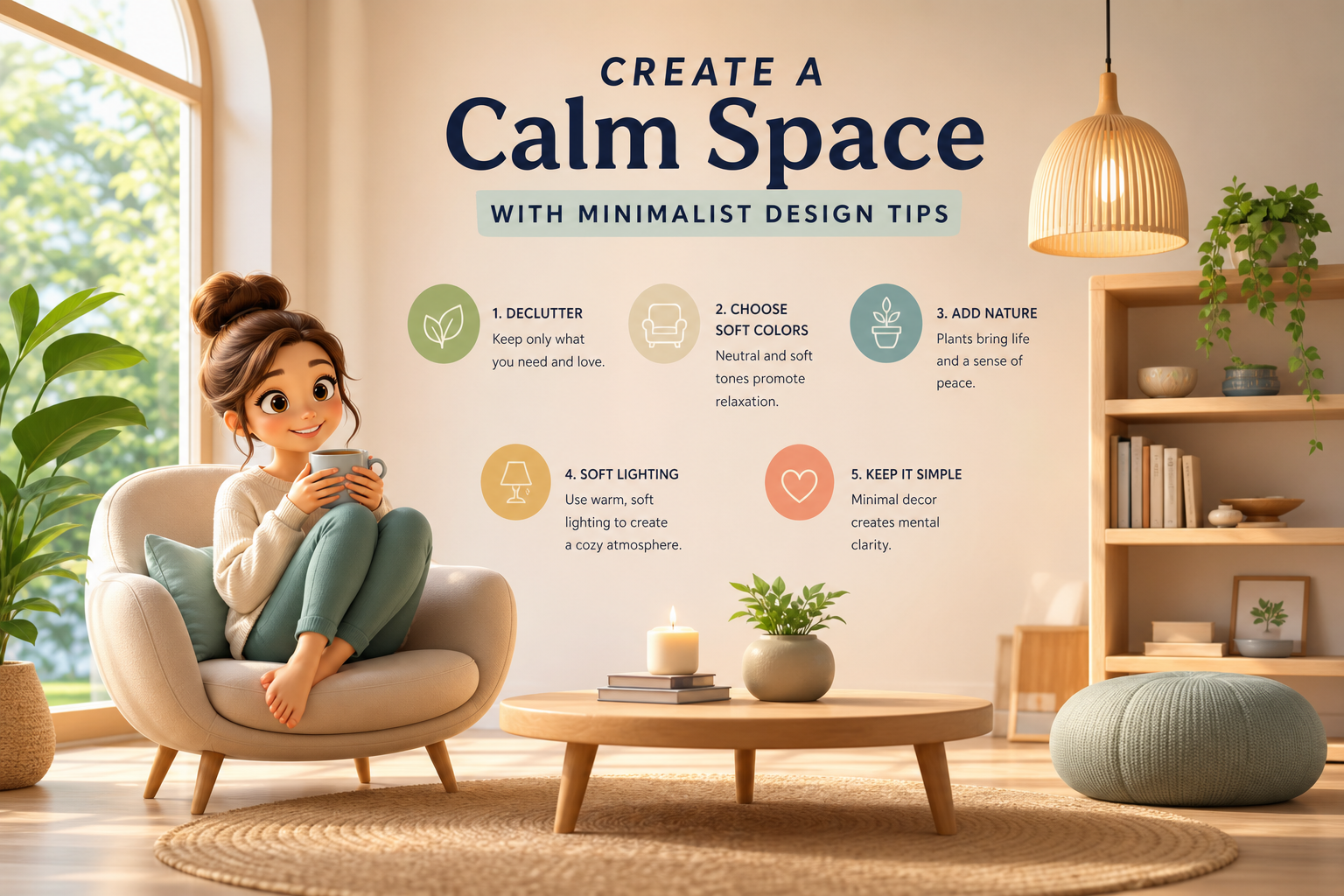
Decluttering is essential for creating a calm space. Start by examining each room in your home. Take a look at your belongings and ask yourself what you really need. Begin with one area, such as a closet or a desk. Remove everything from that area. This allows you to see what you have and what you can let go of. After sorting through your items, create three piles: keep, donate, and throw away.
Be honest with yourself. If you have items that you haven’t used in the last year, consider letting them go. This process may feel overwhelming at first, but it becomes easier with practice. Once you finish decluttering, you will notice how much more spacious and calm your home feels. You can also introduce a ‘one in, one out’ rule. This means that every time you bring a new item into your home, you should remove an old one. This will help maintain a clutter-free environment.
Remember that decluttering is not a one-time task. It is an ongoing process that requires regular attention. Schedule time each month to reassess your belongings. This way, you can ensure that your space remains calm and welcoming. When you keep only what you truly need, it becomes easier to enjoy your surroundings.
Choosing a Color Palette
Color plays a significant role in minimalist design. In 2026, the trend leans toward calming colors that promote relaxation. Neutral shades like whites, grays, and beiges work well to create a peaceful atmosphere. You can also incorporate soft pastels for a touch of color while keeping the overall look minimal. These colors can help make your space feel larger and brighter.
To choose a color palette, start with a base color. This will be the dominant shade in your space. Next, select two or three accent colors that complement the base. For example, if you choose white as your base, soft blue or pale green can work well as accents. Use these colors in your furniture, decor, and wall art.
Consider the psychology of colors as well. Cool colors like blue and green can promote calmness and relaxation. Warm colors, such as soft yellows or light oranges, can create a sense of warmth and comfort. By thoughtfully selecting your colors, you can enhance the calming effect of your minimalist space. Keep in mind that consistency is key. Stick with your color palette throughout your home to create a cohesive and soothing environment.
Integrating Natural Elements
Bringing nature indoors can enhance the calming effect of your space. In 2026, integrating natural elements is a popular trend in minimalist design. Plants are an excellent way to achieve this. They add color, texture, and life to your home. Consider low-maintenance plants like snake plants or pothos if you do not have a green thumb. These plants thrive in various conditions and require minimal care.
In addition to plants, use natural materials in your furniture and decor. Wood, stone, and linen can create a warm and inviting atmosphere. For instance, a wooden coffee table or a linen sofa can add texture without overwhelming the space. Choose pieces that have simple designs to maintain a minimalist look.
Another way to incorporate nature is through natural light. Maximize the amount of natural light in your home by using sheer curtains or blinds that can easily be opened. This not only brightens your space but also connects you with the outdoors. Sunlight can boost your mood and help create a serene environment. By bringing natural elements into your home, you can enhance the calming atmosphere that minimalist design offers.
Simplifying Furniture Choices
When it comes to furniture, less is more in minimalist design. Choose pieces that are functional and simple. In 2026, the trend is toward multi-functional furniture. For example, a sofa bed can serve as both seating and sleeping space. This is especially useful in smaller homes where space is limited.
Look for furniture that has clean lines and a simple design. Avoid overly ornate pieces that can create visual clutter. Instead, opt for a few statement pieces that stand out. A well-designed coffee table or a stylish armchair can serve as focal points in your room.
Consider the scale of your furniture as well. Large pieces can overwhelm a small room, making it feel cramped. Instead, choose furniture that fits well within your space. Aim for a balance between comfort and simplicity. Remember, the goal of minimalist design is to create a calm space that feels inviting and uncluttered.
Creating Open Spaces
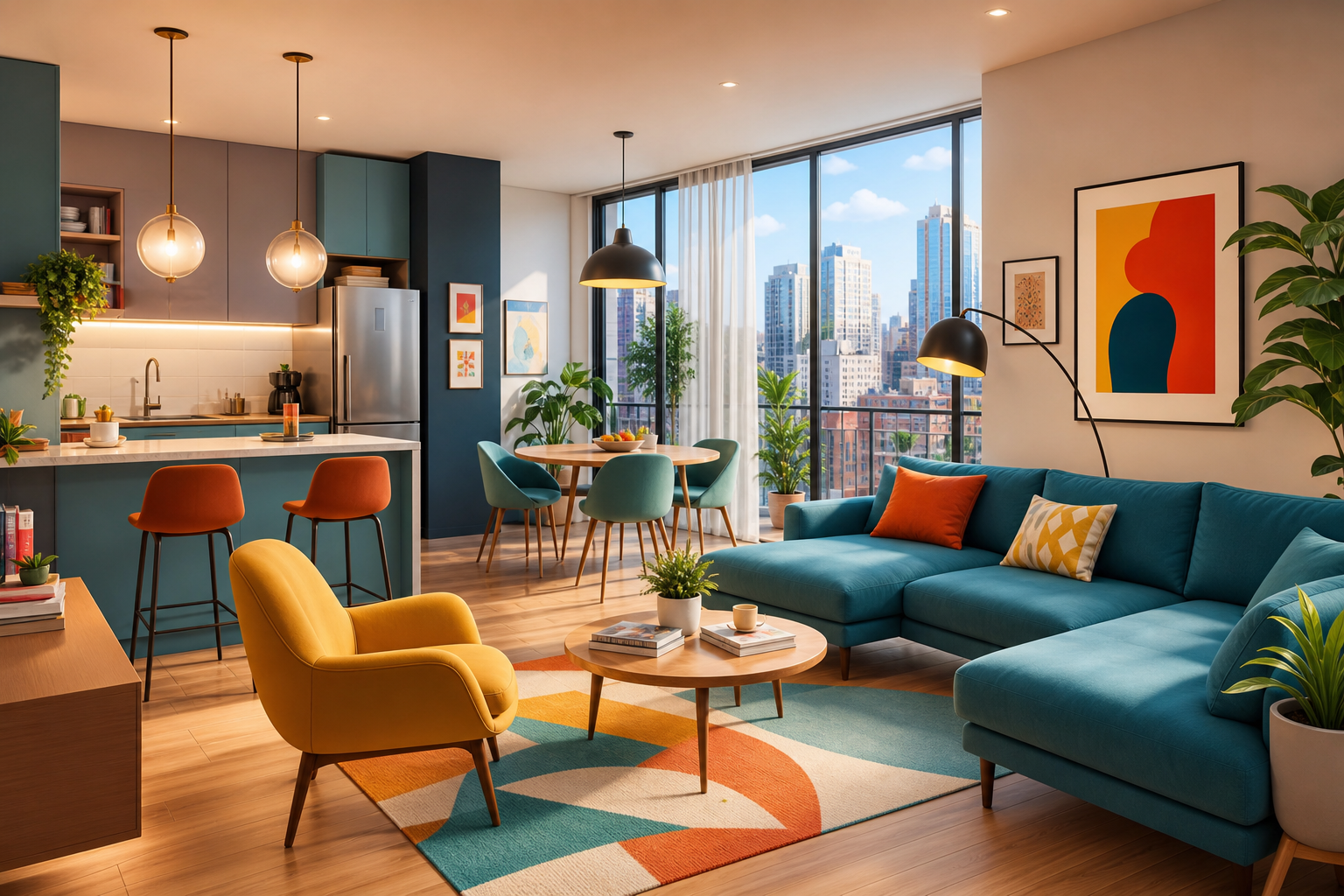
Open spaces are a vital component of minimalist design. They promote a sense of freedom and calmness. To achieve this, consider your layout. In 2026, open floor plans remain popular. This means combining living areas, dining spaces, and kitchens into one larger area. This design approach allows for better flow and encourages social interaction.
If an open floor plan is not possible, focus on creating clear pathways. Avoid blocking walkways with furniture. Arrange your seating to encourage conversation while maintaining open space. You can also use rugs to define areas without creating visual barriers.
Another effective way to create open space is through furniture arrangement. Instead of pushing all furniture against the walls, try pulling some pieces into the room. This can make the space feel more inviting. Additionally, keep furniture away from windows to maximize natural light. By focusing on open spaces, you can create a calm and pleasant atmosphere in your home.
Minimizing Decor
Decor can enhance your space, but too much can create chaos. In minimalist design, the goal is to use decor sparingly. Choose a few meaningful pieces that resonate with you. This could be artwork, photographs, or decorative items. When you limit your decor, each piece becomes more significant.
Consider using a gallery wall to display art. This allows you to showcase multiple pieces without overwhelming the space. Select frames that are uniform in color and style for a cohesive look. This can make a statement while keeping things simple.
Remember, decor should complement your space, not dominate it. Use decorative items that serve a purpose, like a beautiful vase or a stylish lamp. These items can add character while remaining functional. By minimizing decor, you can create a calm and balanced environment that reflects your personal style.
Maintaining a Calm Atmosphere
Creating a calm space is an ongoing effort. Once you have established your minimalist design, it is essential to maintain that atmosphere. Regular cleaning is key. Set aside time each week to tidy up and reassess your space. This prevents clutter from building up and keeps your environment peaceful.
Additionally, be mindful of new items you bring into your home. Always ask yourself if they truly fit your minimalist lifestyle. If not, consider leaving them out. This will help you maintain a clutter-free environment.
Establishing daily routines can also contribute to a calm atmosphere. Simple practices like making your bed each morning or organizing your workspace can create a sense of order. This order can significantly impact your overall well-being. Finally, take time for relaxation. Incorporate activities like reading, meditating, or practicing yoga into your daily routine. These practices can enhance the calming effect of your minimalist space.
Conclusion: Embrace Minimalism for Serenity
Minimalist design offers a path to a calm and serene space. By decluttering, choosing a thoughtful color palette, and integrating natural elements, you can create an inviting atmosphere. The focus on simplicity and functionality allows you to enjoy your home fully. In 2026, embracing these principles will help you find balance in your busy life.
As you explore minimalist design, remember that it is a personal journey. It is about discovering what makes you feel peaceful and at home. Whether you live in a small apartment or a spacious house, minimalist design can transform your space. By following these tips, you will create a calm environment that nurtures your well-being and reflects your style.